Cycling holiday in Mallorca: my personal experience for recreational and sporty cyclists
Is Mallorca really the “promised cycling island” that every cyclist should visit at least once? Last autumn, the time had finally come: I could see for myself whether the stories I hear so often truly hold up. After preparing dozens of cycling holidays for our guests, accompanied by glowing reviews, it was time to experience it myself. Until then, I mainly knew the island through Hans’s stories, from behind a computer screen, and from a hike I did years ago along the GR 221 through the Tramuntana mountains. Experiencing Mallorca from the saddle, on the asphalt, feels very different indeed.
In this travelogue, I take you along the highlights: from quiet back roads to the legendary climbs of the Tramuntana mountains. Mallorca is one of Europe’s most versatile cycling destinations for both recreational cyclists and road cyclists. The combination of the flatter interior, the impressive north-western Tramuntana range, beautiful beaches, a mild climate, and high-quality four-star hotels makes Mallorca one of the best choices for a cycling holiday.
The goal of my trip was simple: to gain a better, firsthand understanding of our recreational and road cycling tours. That way, we can advise you even better and refine the routes where possible. As one of the few tour operators, Fietsen in Spanje offers a complete round trip on the island, always following quiet and safe back roads. For this study trip, I combined our two holidays to get the most out of it: the full recreational and road cycling routes in just five days of riding. The description below is therefore a unique blend of both journeys.
Day 1: Arrival & Coll d’Honor (Tramuntana)
After arriving at the airport, the taxi driver was already waiting for me. What immediately stands out is the convenience: after a short drive of about ten minutes, you are already at the hotel. Ideal if you arrive on an early flight. You can leave your luggage safely, change clothes, and get on the bike straight away.
To take it a little easier during this intensive week, I chose an electric road bike, the Ridley E-Grifn. With a 360Wh battery, it’s the perfect bike to ride sportively without constantly pushing into the red. After setting up the e-racer and, of course, catching up with our rental partner, I headed out for a warm-up ride of 80 km with 900 metres of elevation gain. It was late October and still 26 degrees — an ideal autumn destination.
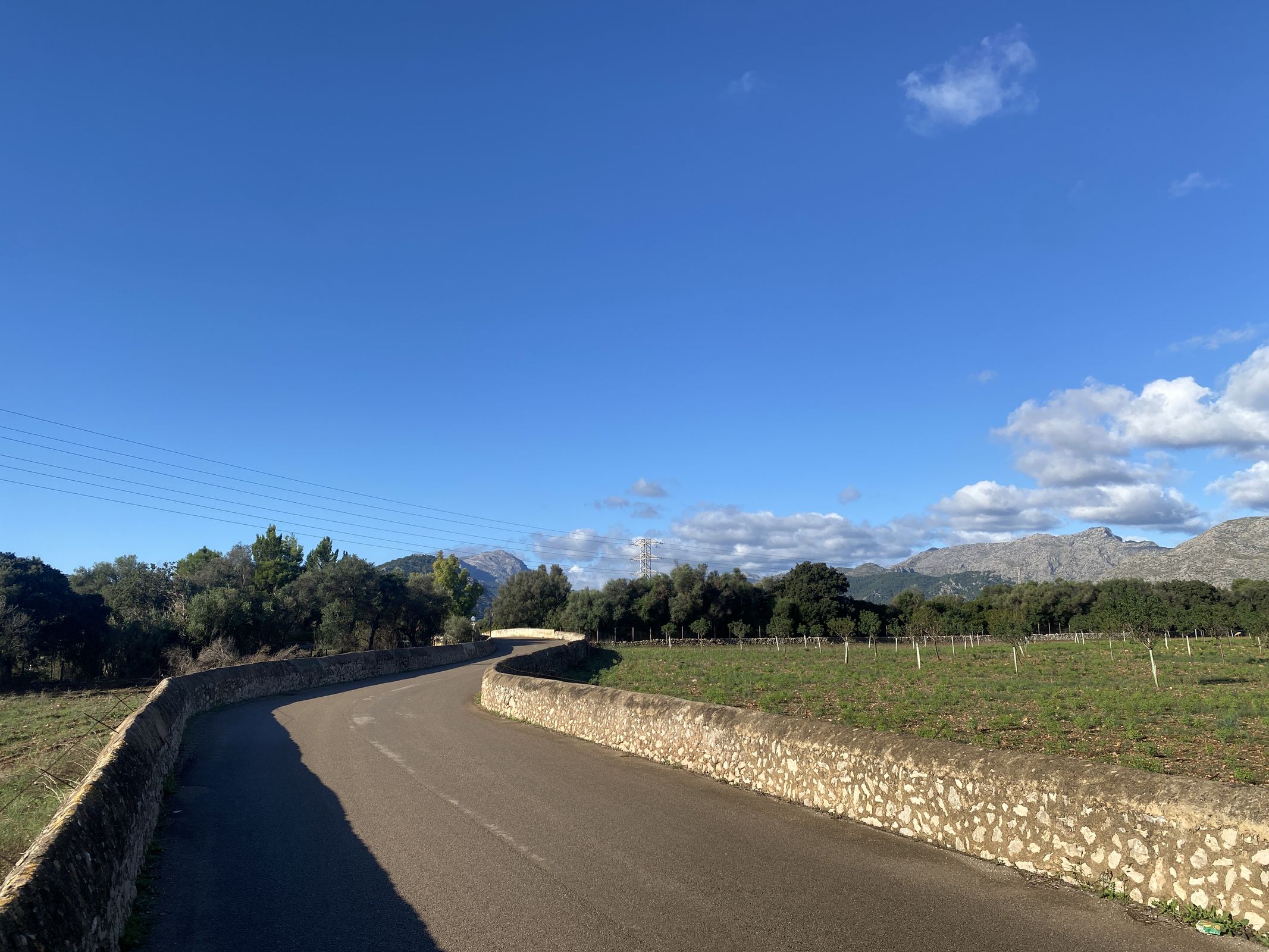
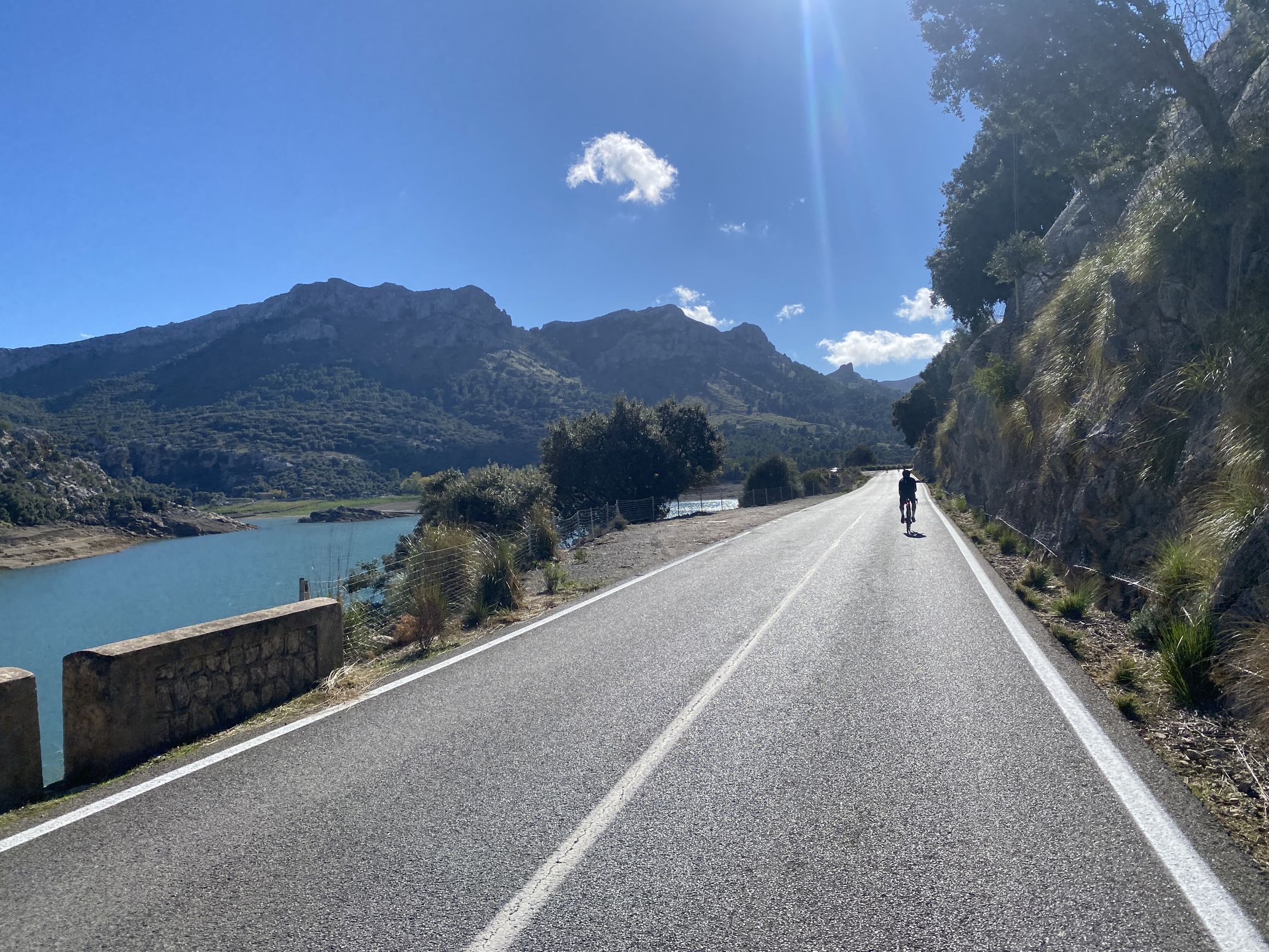
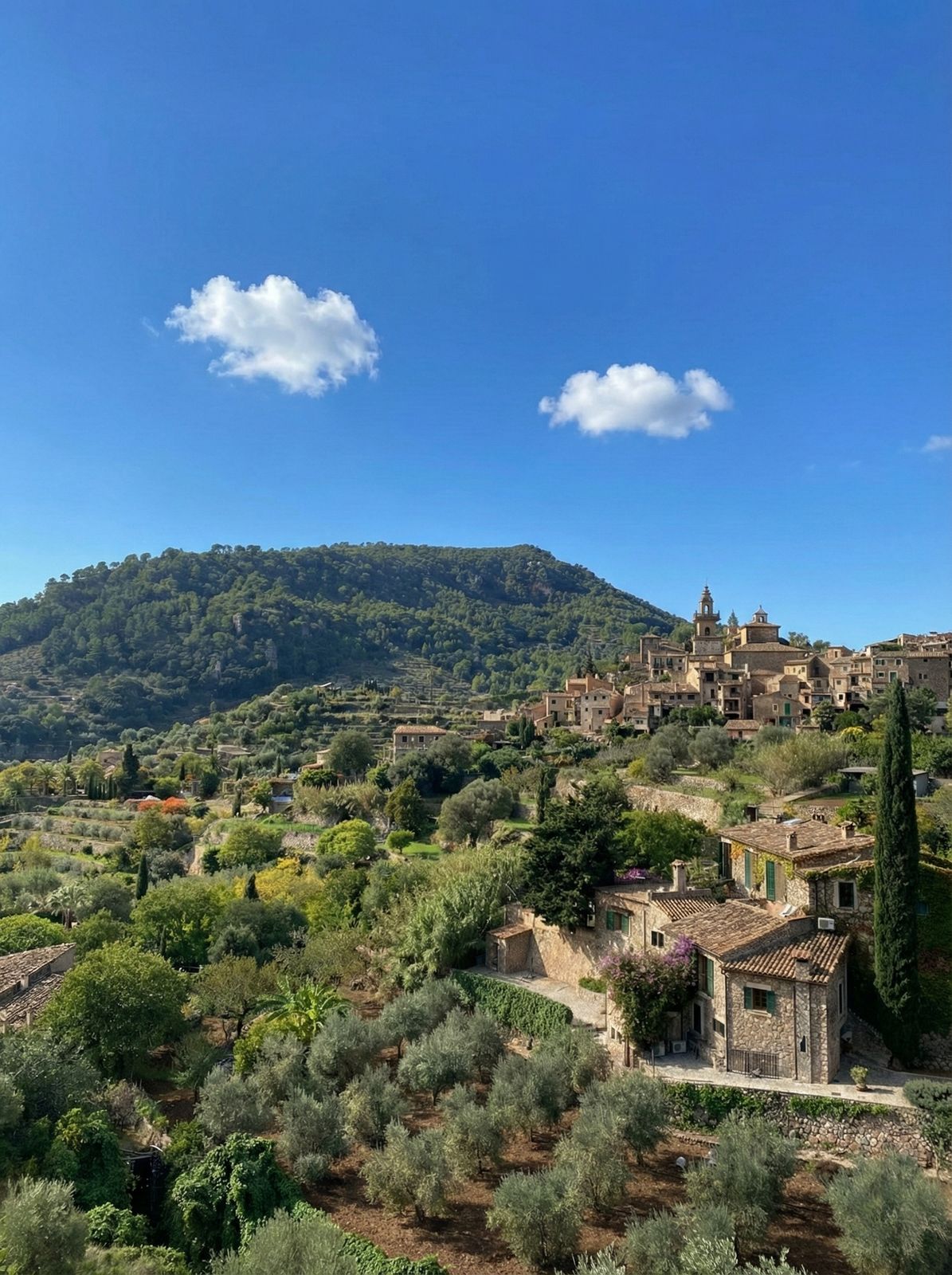
The route led through the quiet interior, skirting Palma, towards the Tramuntana mountains. What struck me straight away was how safe it feels; there is little traffic on the back roads and drivers here are genuinely used to cyclists. Along the way you constantly see the characteristic Mallorcan windmills and the low stone walls lining the roads. These windmills were once used to pump water for agriculture and still define the landscape today. The walls are hand-stacked, without cement, and were built to mark property boundaries.
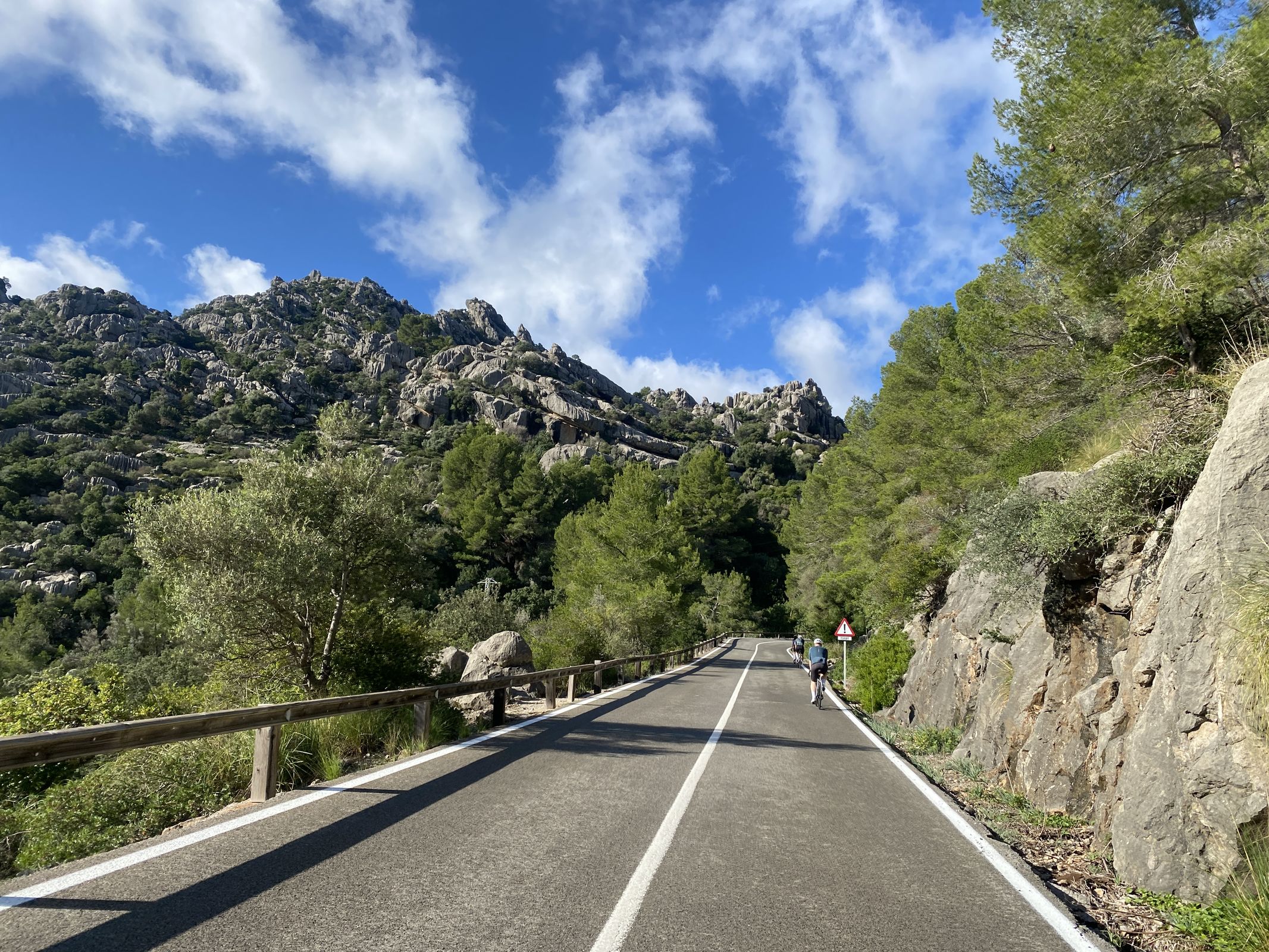
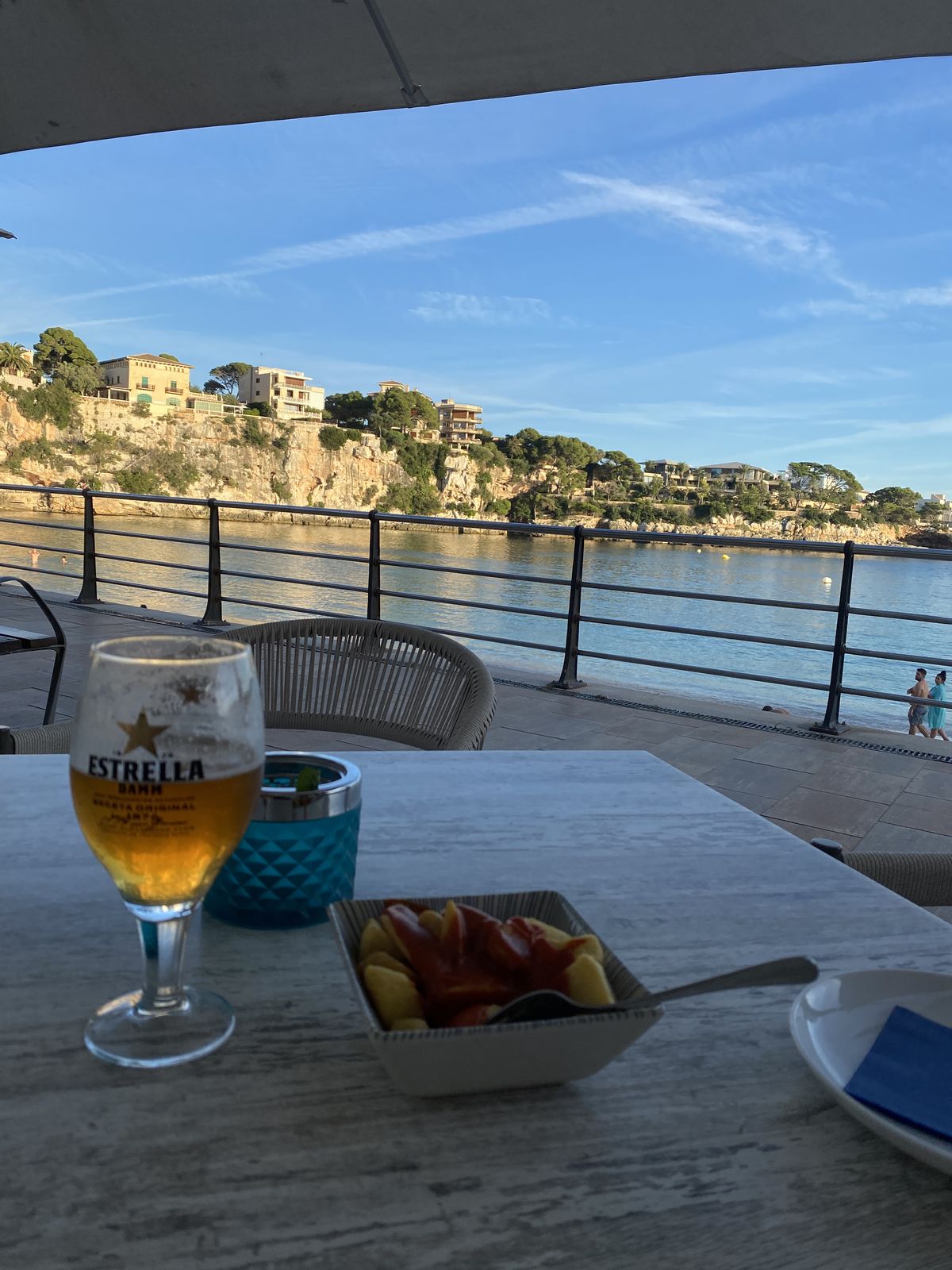
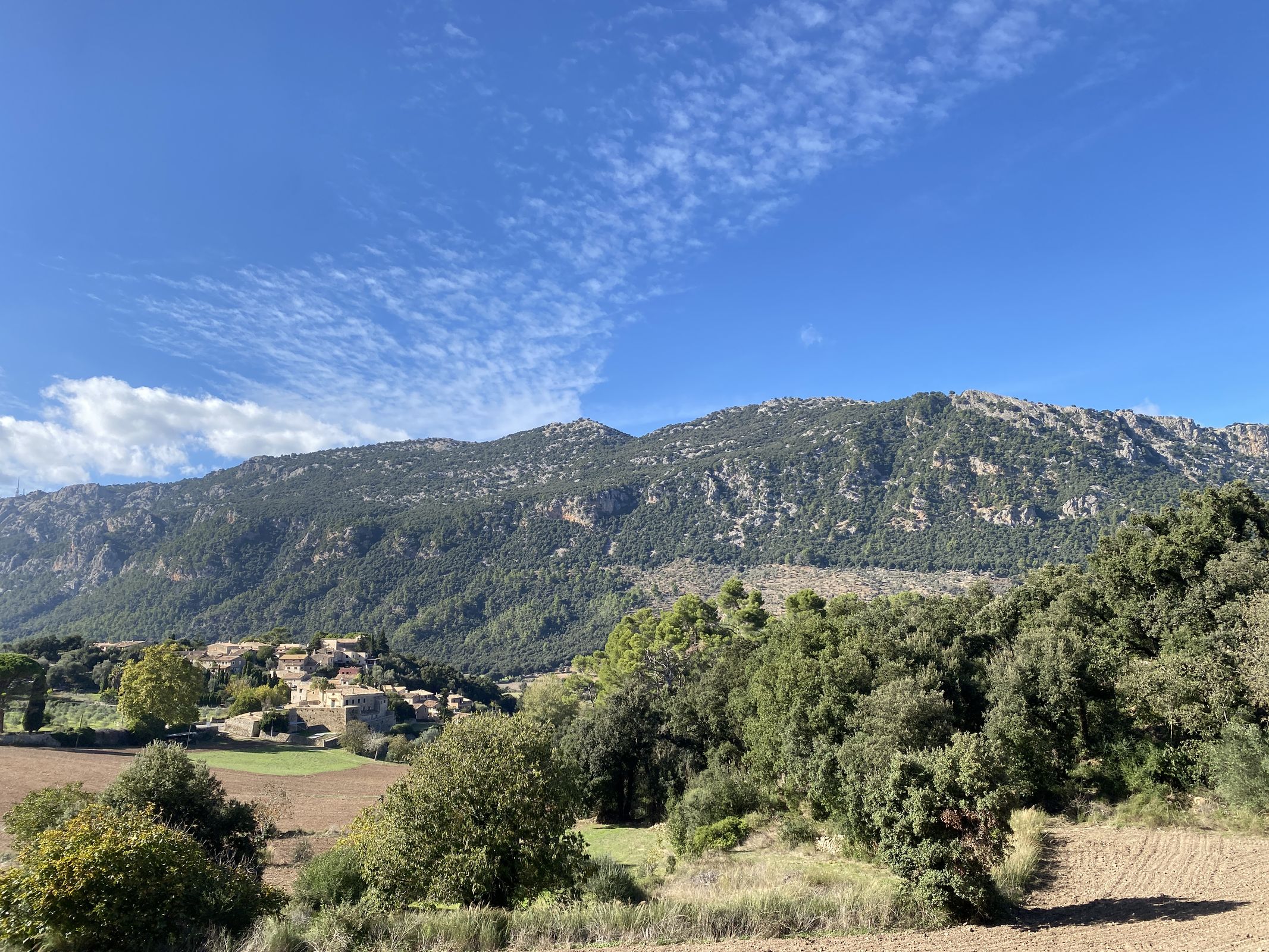
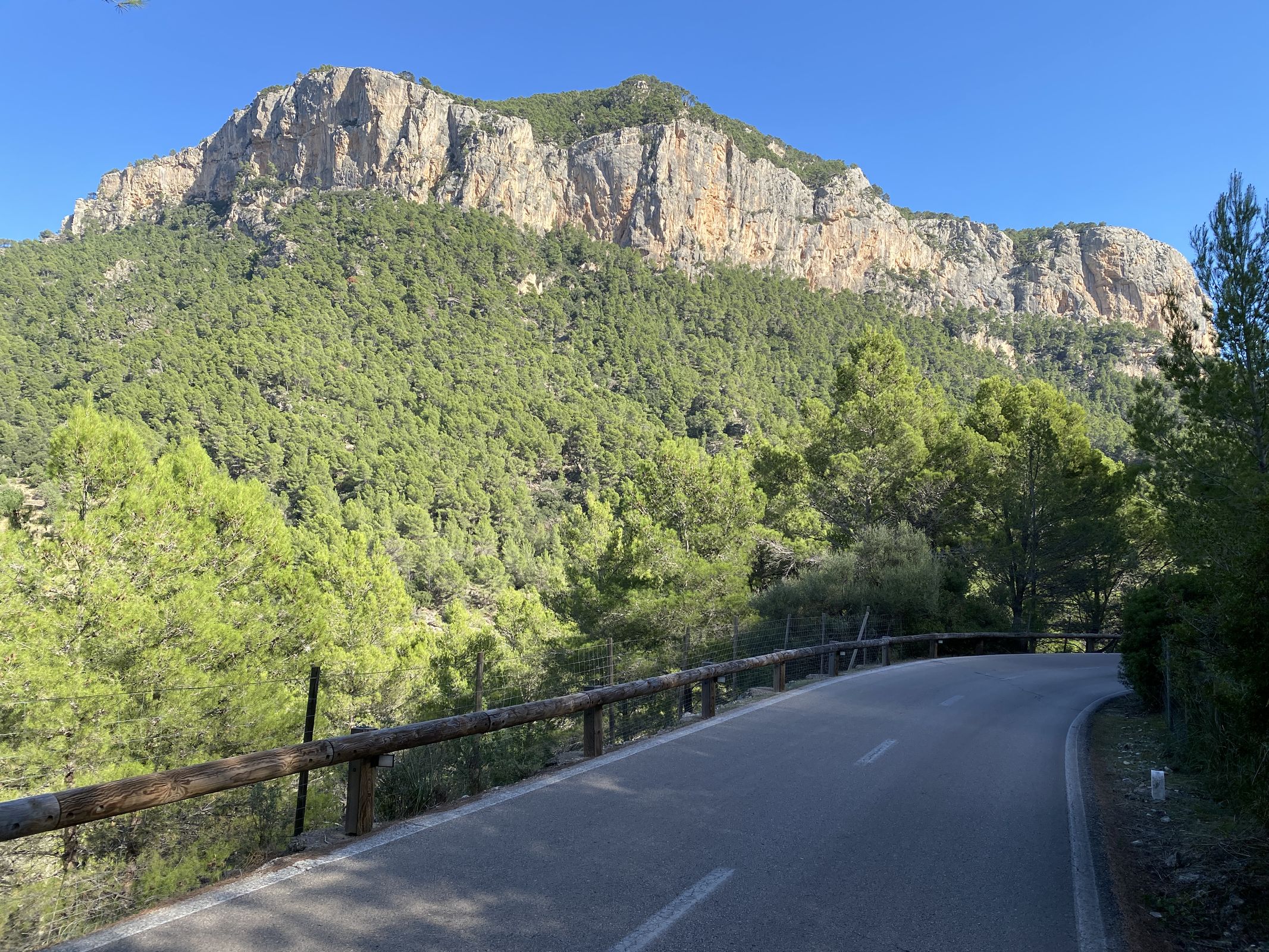
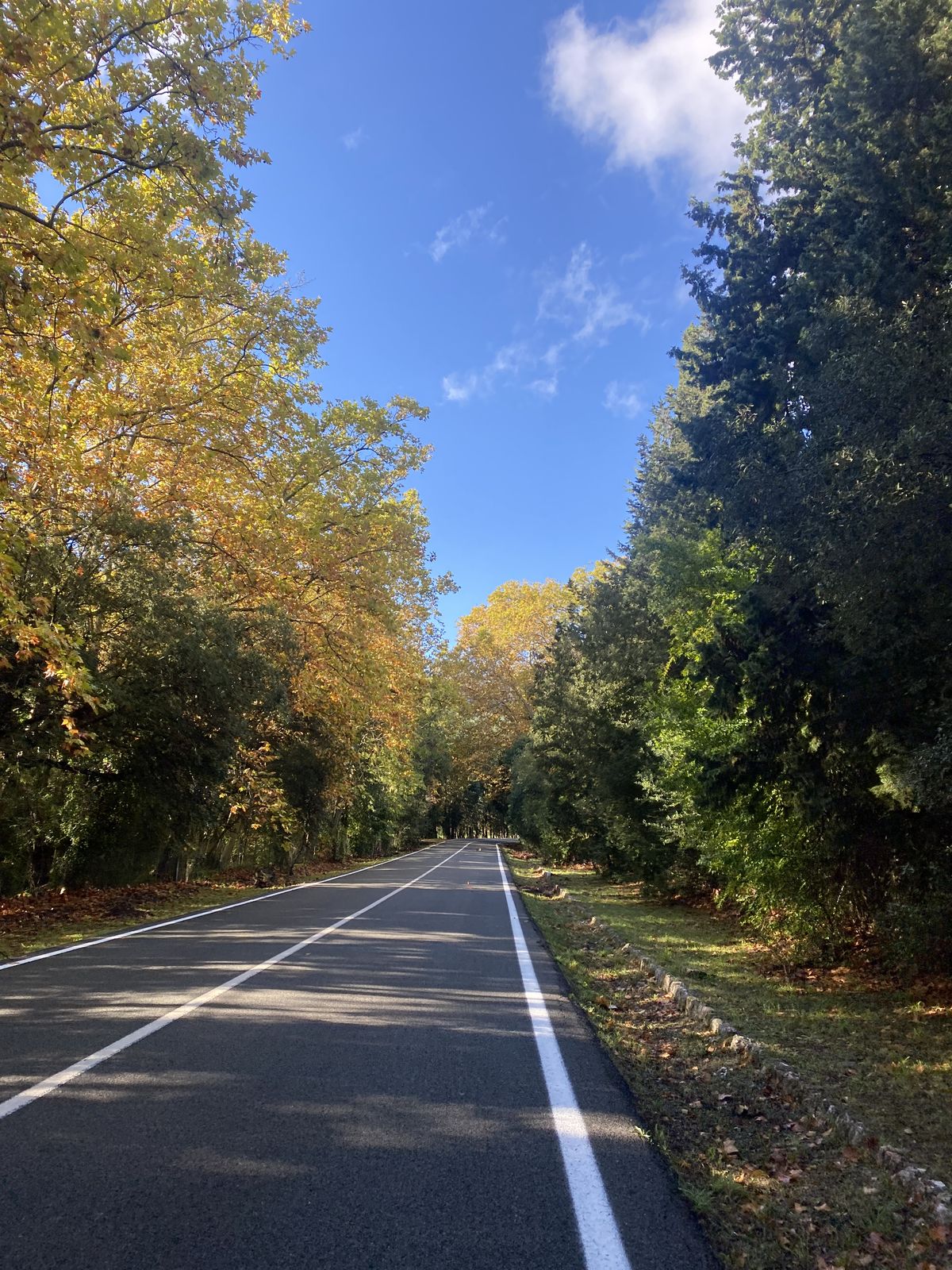
Just before the climb of the Coll d’Honor you pass through Bunyola. On the small village square you’ll find two welcoming cafés — a perfect spot for a ‘café doble’ (double espresso) before starting the climb towards Orient. This ascent through dense woodland is wonderfully quiet and steady. Once past Orient, the descent of the Coll d’Orient follows (6.1 km long, average gradient 4.5%) down to Alaró. I ended the day at the four-star Hotel El Cid, with a beer in hand and a view of the sunset over the beach.
Highlights
- For the recreational cyclist: Sunset at the beach and a first introduction to the inland landscape with its windmills and stone walls.
- For the road cyclist: The climb of the Coll d’Honor and the beautiful views over the perfectly situated village of Orient.
Day 2: The heart of Mallorca – Puig de Randa & Sineu
Today was all about the interior of the island. In our recreational tour, you explore this area spread over several days, which gives the journey a more relaxed rhythm. One of the big advantages of our trips is the luggage transfer service: I was able to leave all my bags at reception, and they were transported to the next hotel. This means you only carry what you need for the day on the bike.
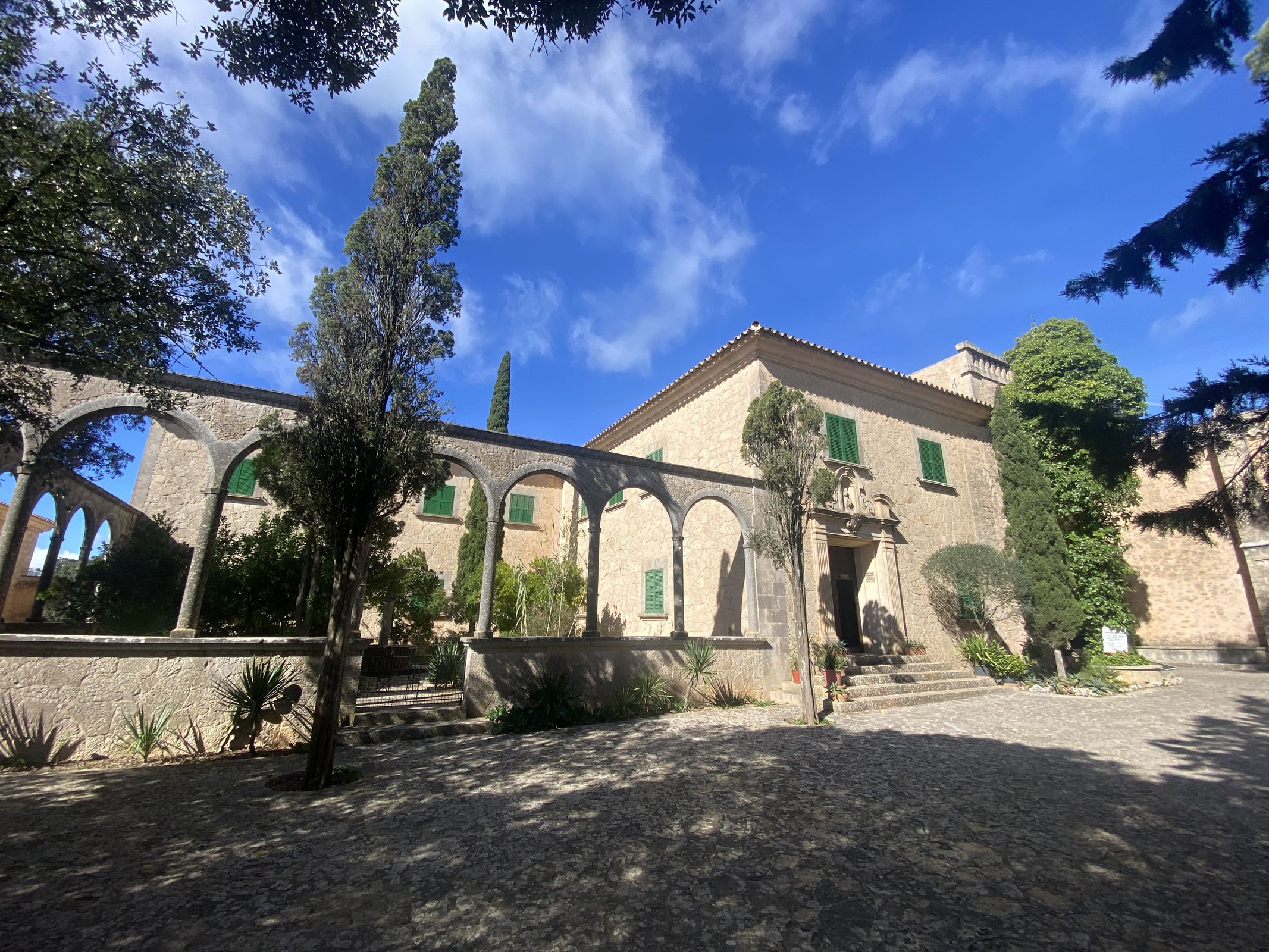
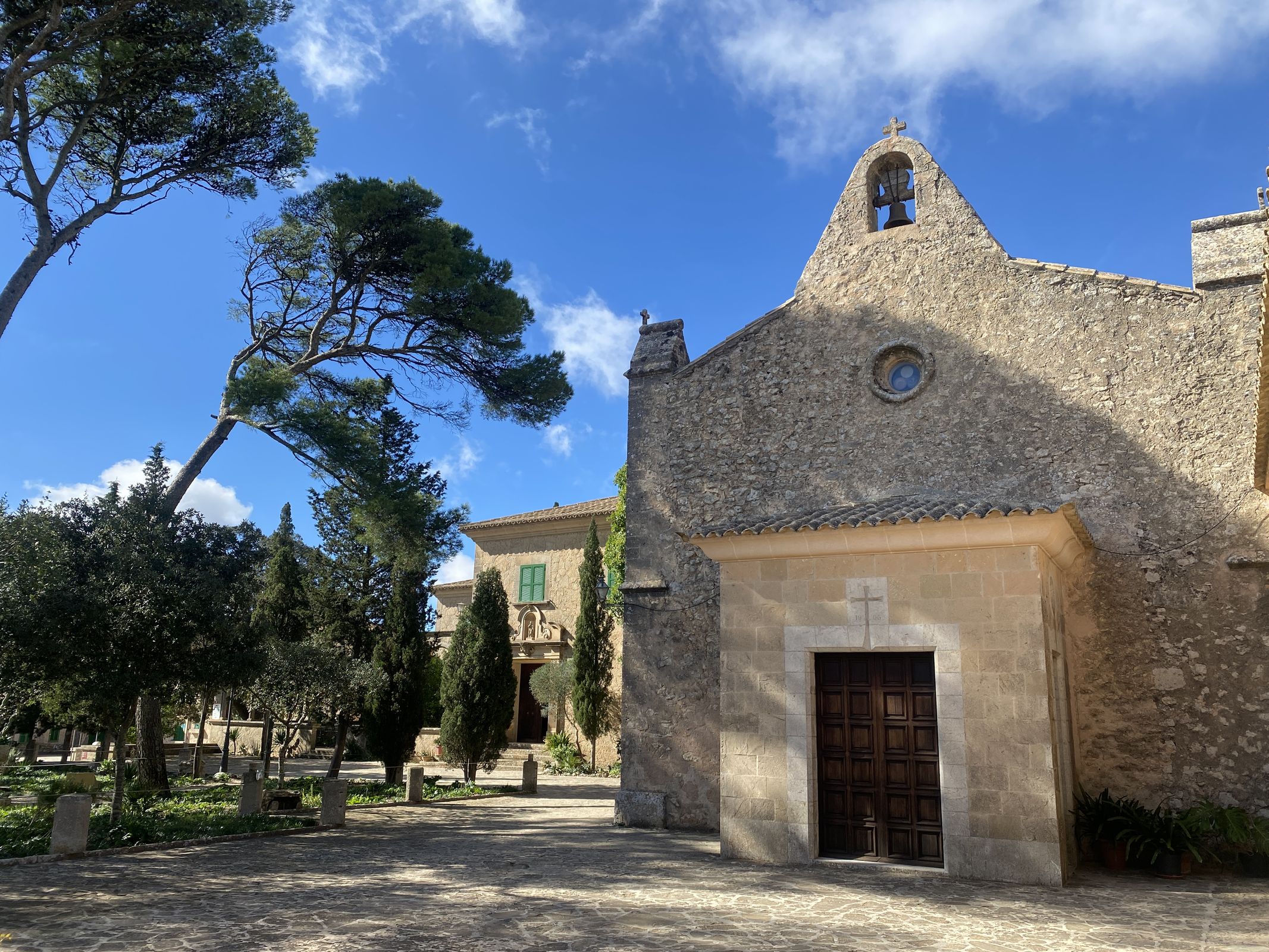
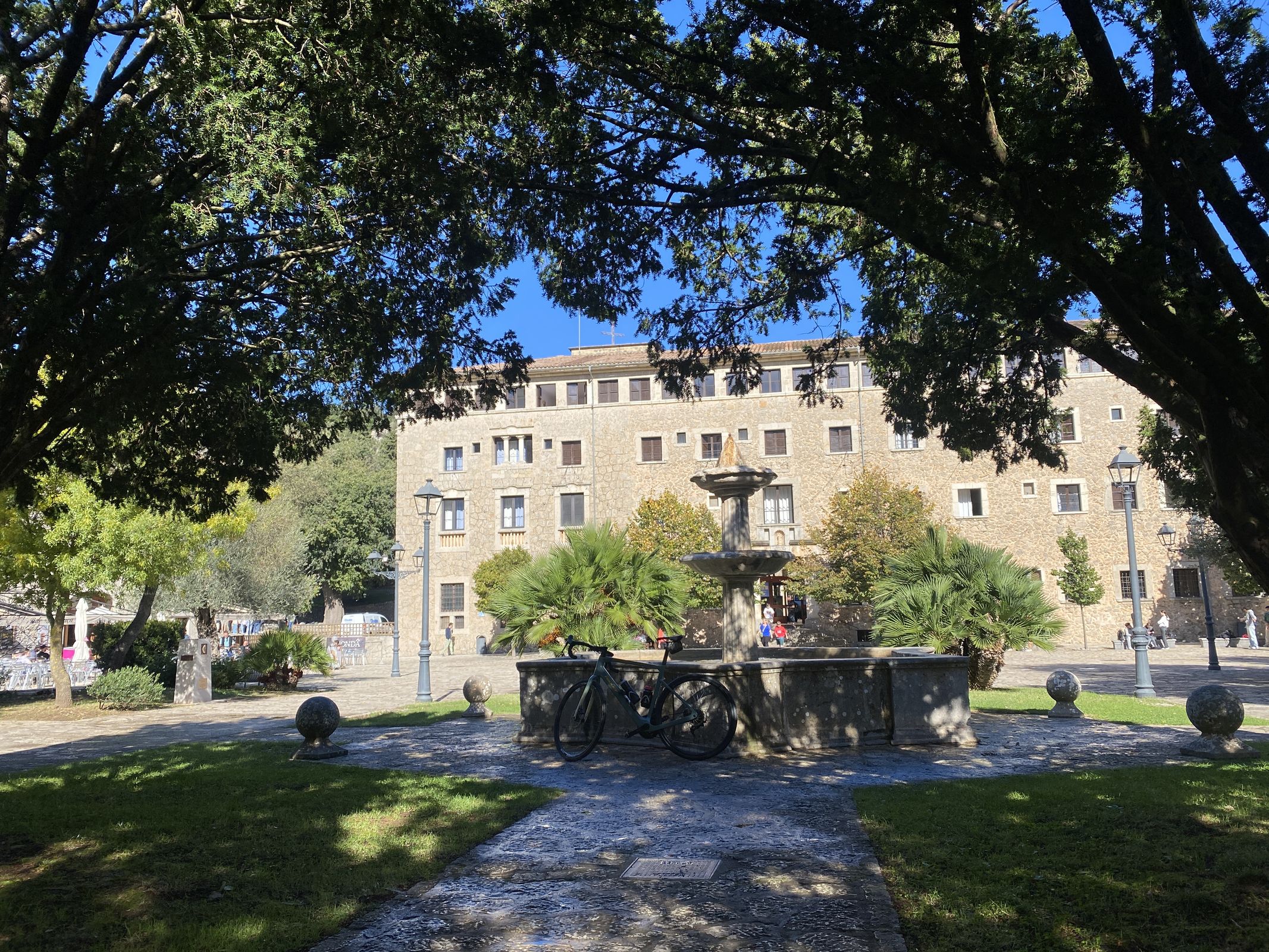
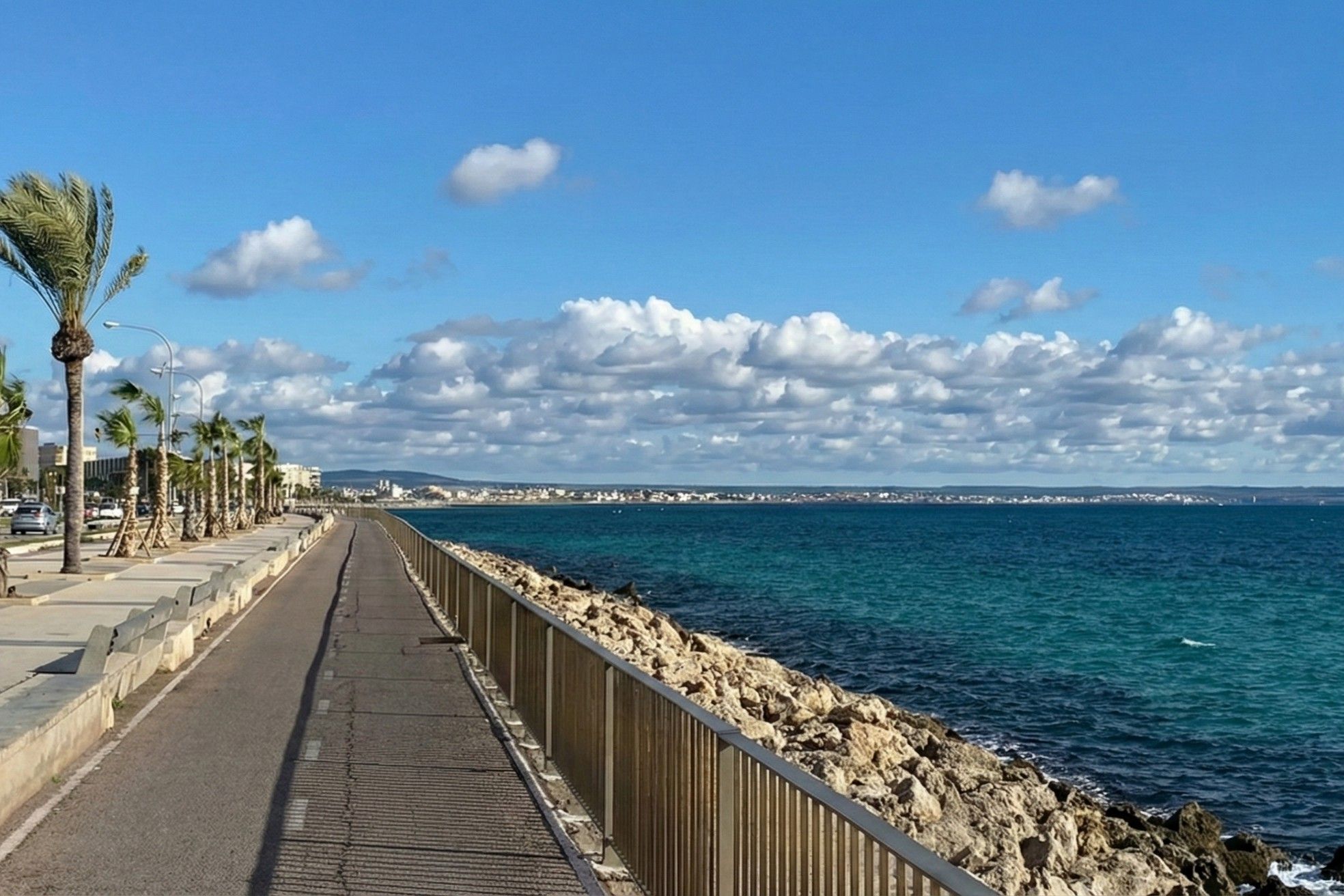
The day began gently with a 5 km ride along the boulevard between Ca’n Pastilla and S’Arenal — an easy start with the sea close by. After those first kilometres, you turn inland towards the quiet countryside and the only real climb of the day: the ascent to the ‘Santuari de Cura’ on the Puig de Randa. This historic monastery, perched on top of the mountain, offers panoramic views across almost the entire island of Mallorca. The climb is short but pleasant, winding past olive trees and open fields. At the top, right next to the monastery, you’ll find a terrace where a good espresso is never far away.
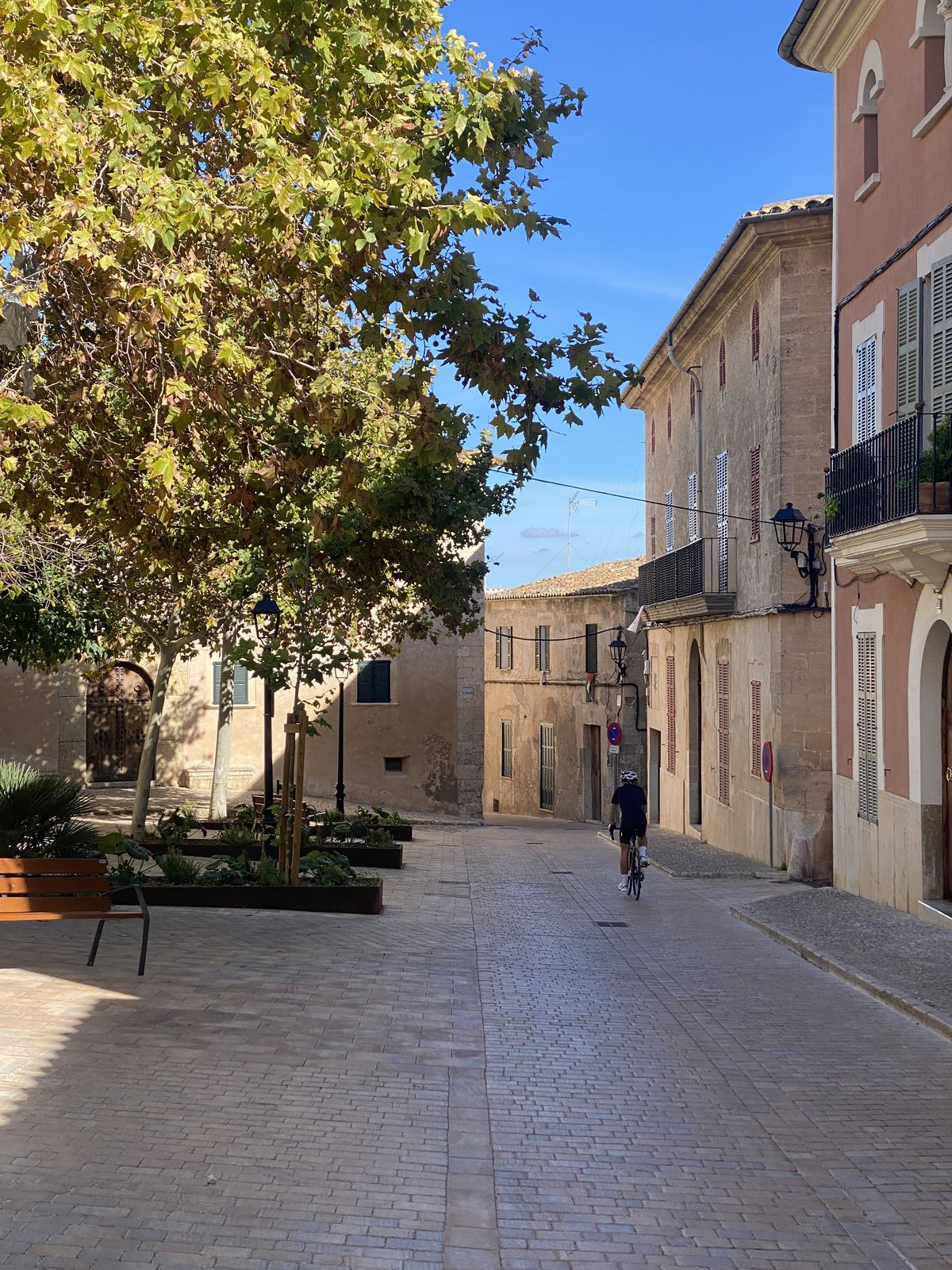
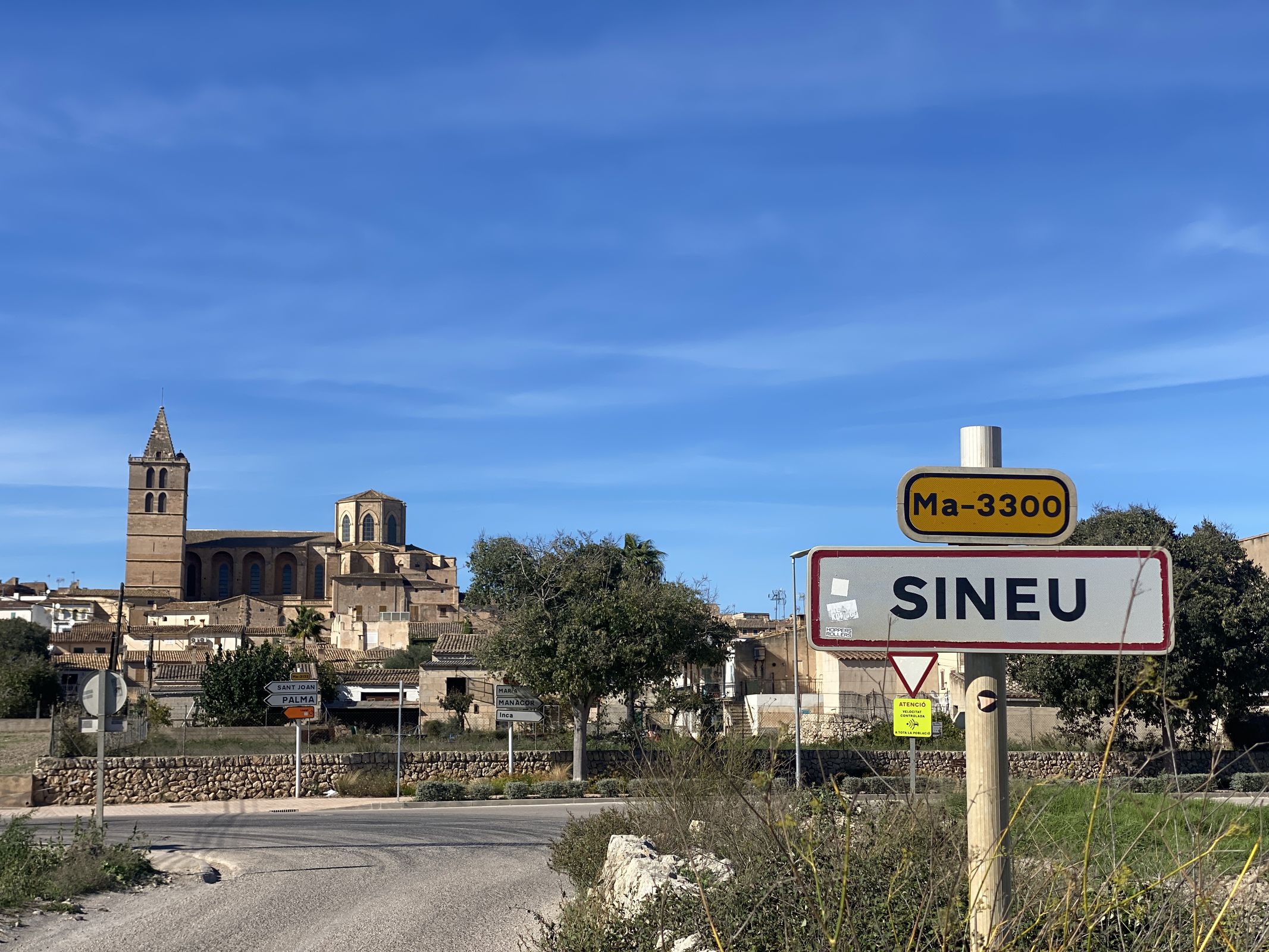
The second part of the day took me to Montuïri and Sineu. In Montuïri, you naturally end up on the Plaça Major, with the Església de Sant Bartomeu and the café-restaurant Es Cantó de Ca’n Pieres. Sineu, however, tells the real story. In the 13th and 14th centuries, it was the political heart of Mallorca and the residence of the kings in the Palau dels Reis de Mallorca. Thanks to its central location, it became a strategic hub for trade, and that rich history is still tangible in the streets today. On our recreational round trip, you stay here for two nights to really get to know the area. For me, though, it was time for the final 50 km towards Porto Cristo.
Highlights
- For the recreational cyclist: The historic stops in Sineu, the boulevard at Ca’n Pastilla, and the arrival in Porto Cristo.
- For the road cyclist: The climb of Puig de Randa to the Santuari de Cura.
Day 3: From Porto Cristo via Petra to Port de Pollença
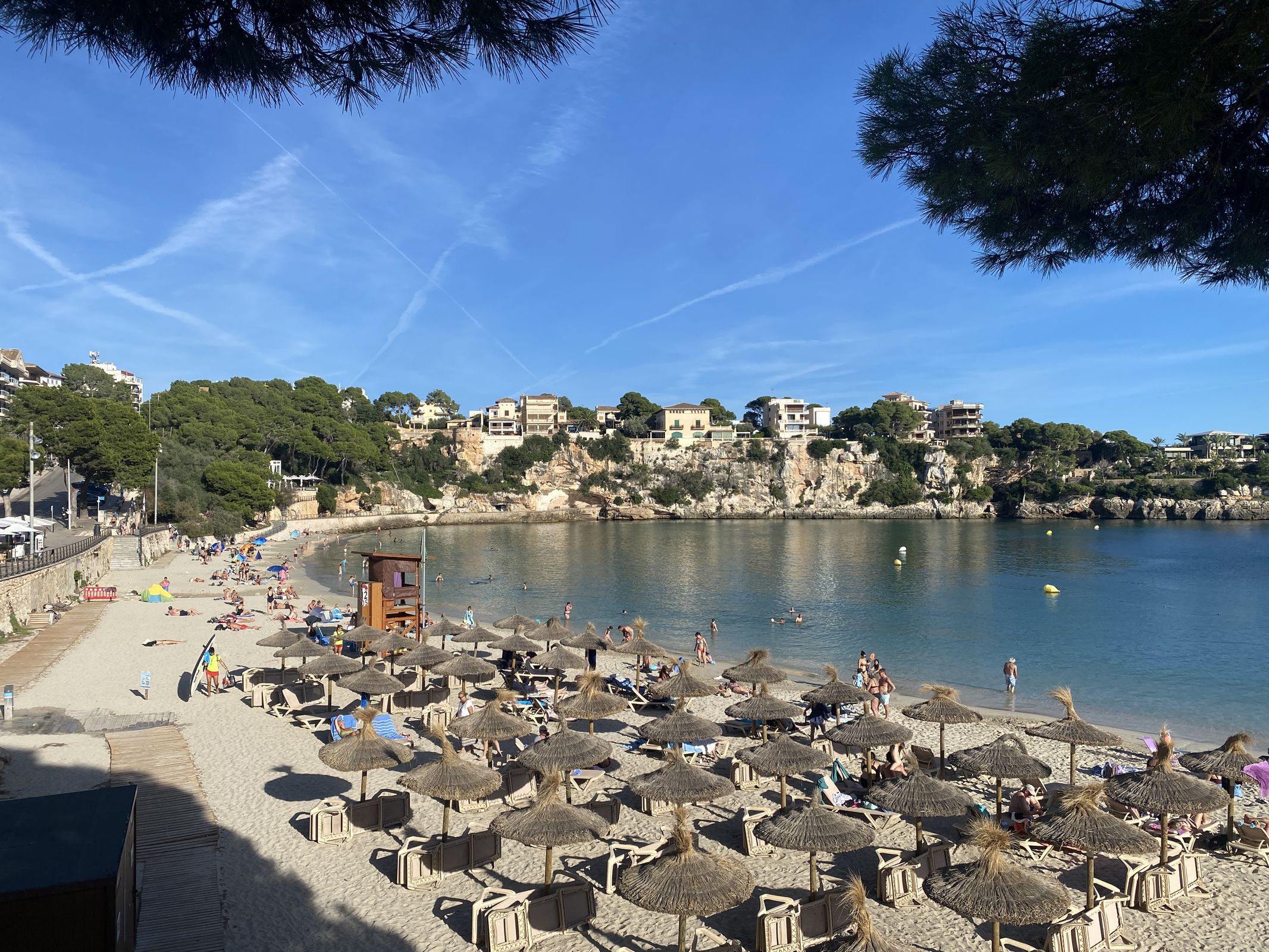
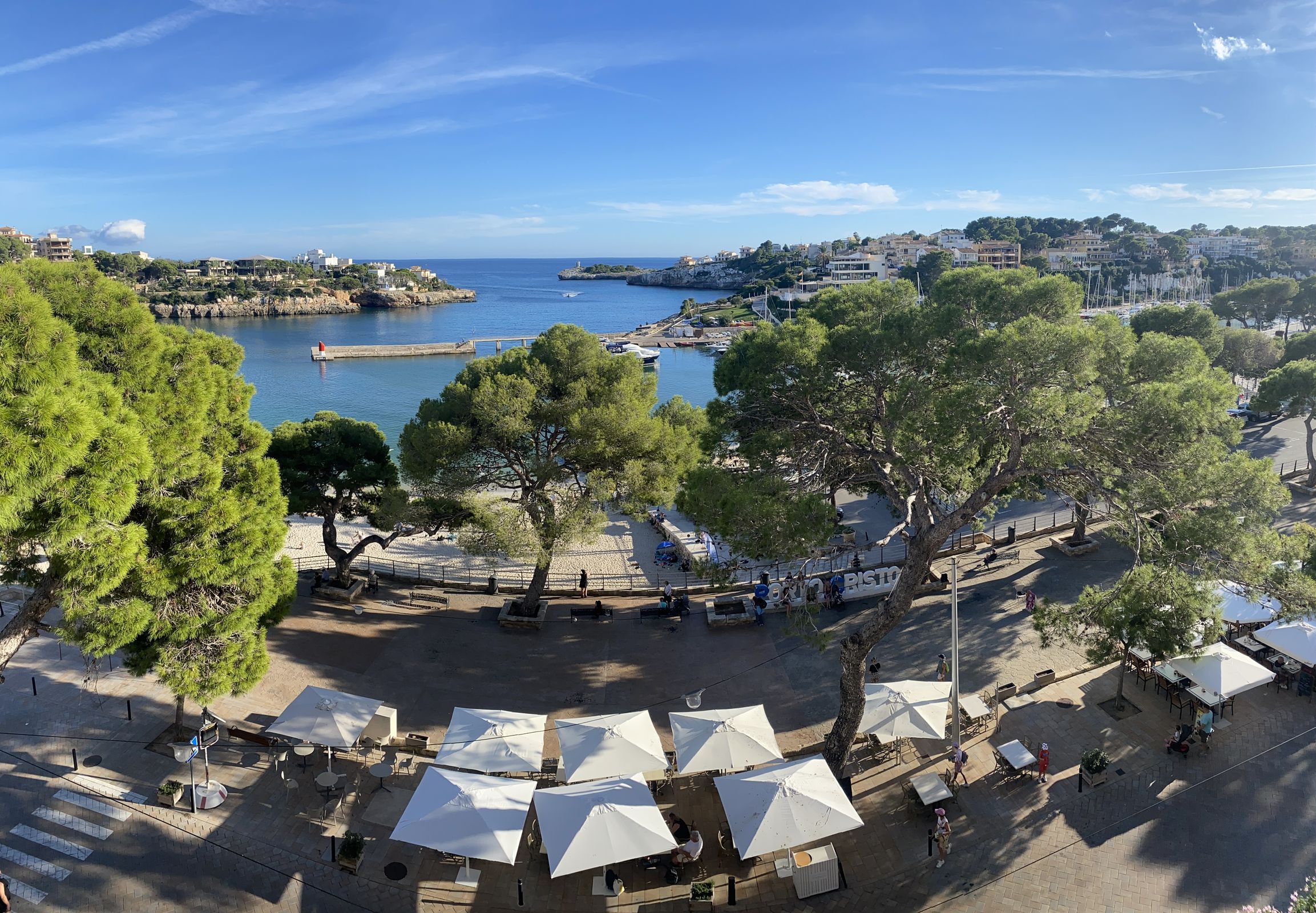
Porto Cristo was a real surprise for me. It’s an exceptionally pleasant and attractive town, set right on a sheltered bay. You stay here at the four-star Hotel Felip, the oldest hotel on Mallorca (135 years old this year). You sense that classic, authentic atmosphere the moment you step inside.
Unfortunately, when I set off in the morning I discovered that my battery hadn’t charged properly because I hadn’t plugged it in correctly. Luckily, the route for the day was fairly flat. It was a rainy and overcast day, so I found myself riding in a rather ‘functional’ way — simply getting from A to B as efficiently as possible. In autumn, you can occasionally run into a day like this. Via Petra, which is normally filled with cyclists relaxing on café terraces, I arrived in Port de Pollença after three hours, soaked to the skin.
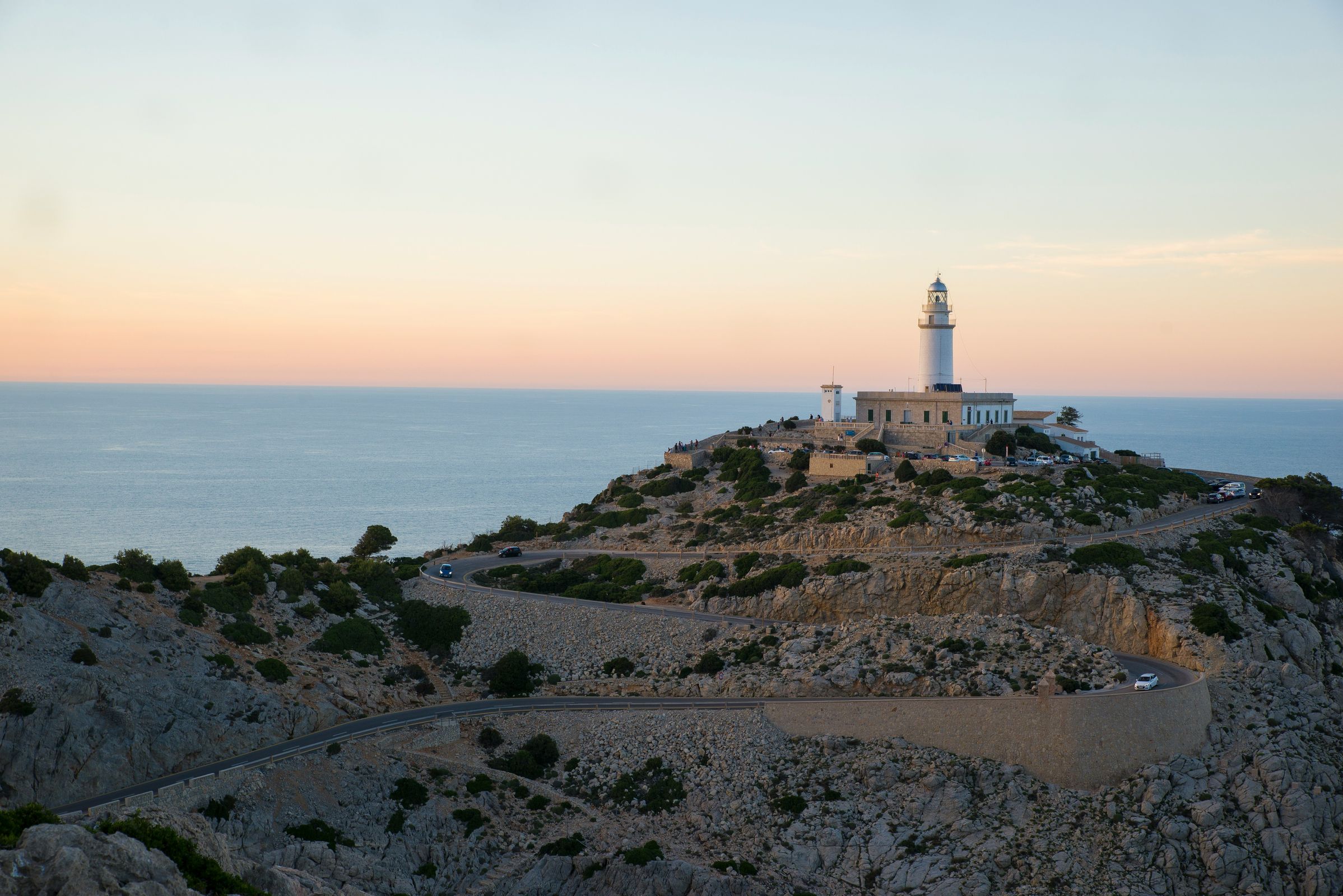
What was still on the plan was the ride to Cap de Formentor, towards the famous lighthouse Far de Formentor, the northernmost point of Mallorca. But with rain still pouring down relentlessly, I decided to skip it. At least that gives me a very good excuse to come back again soon!
Highlights
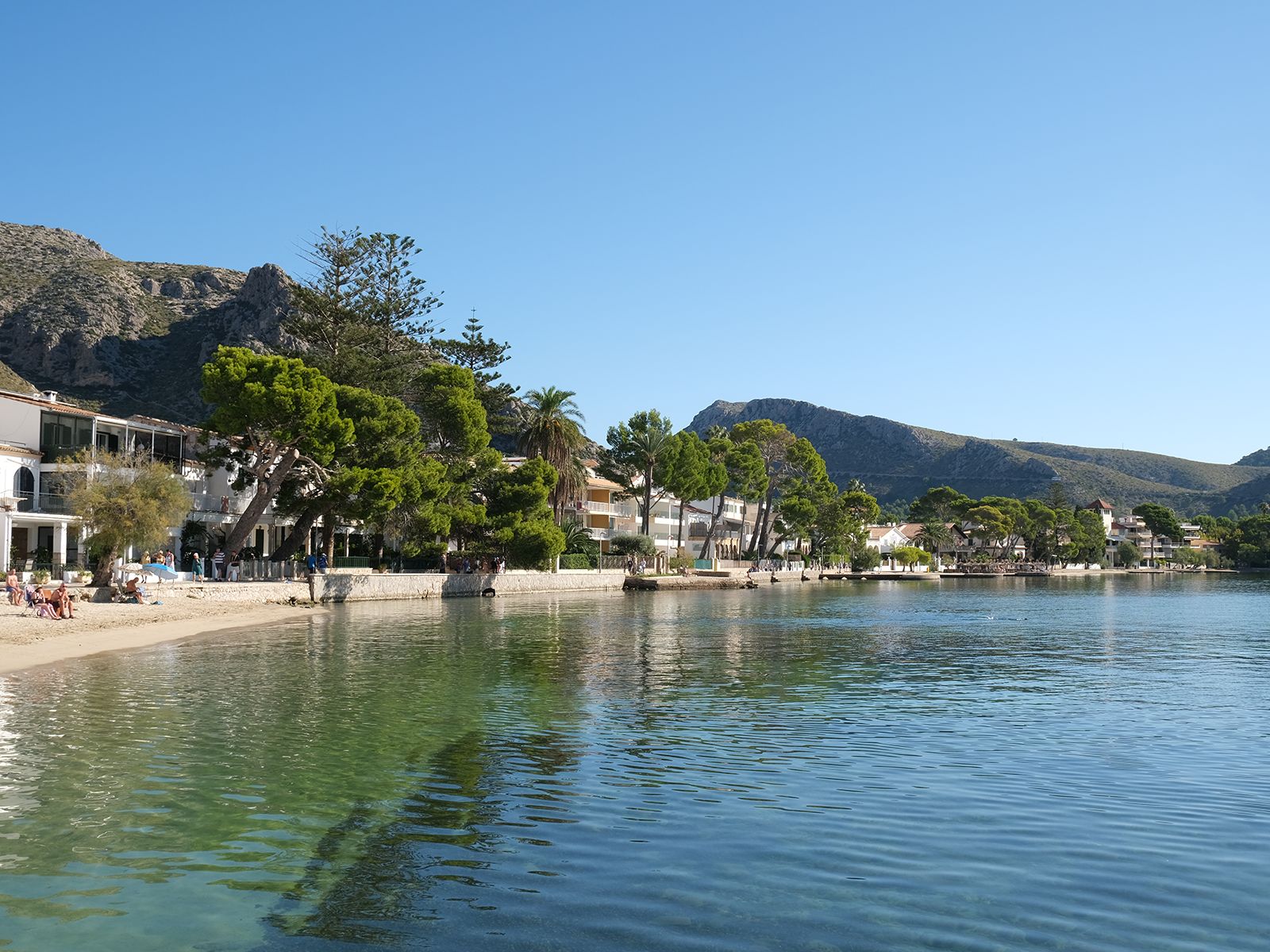
- For both recreational and road cyclists: The lively atmosphere in Petra and the beautiful bay of Port de Pollença and Cap de Formentor.
Day 4: Sa Calobra, Puig Major and the Monastery of Lluc
My little silent prayer for good weather was answered: the weather gods were kind to me on this ‘queen stage’. It would have been a real shame if the ride through the Tramuntana mountains had been washed out. Today’s programme included the monastery of Lluc and the island’s most beautiful descent and climb: Sa Calobra.
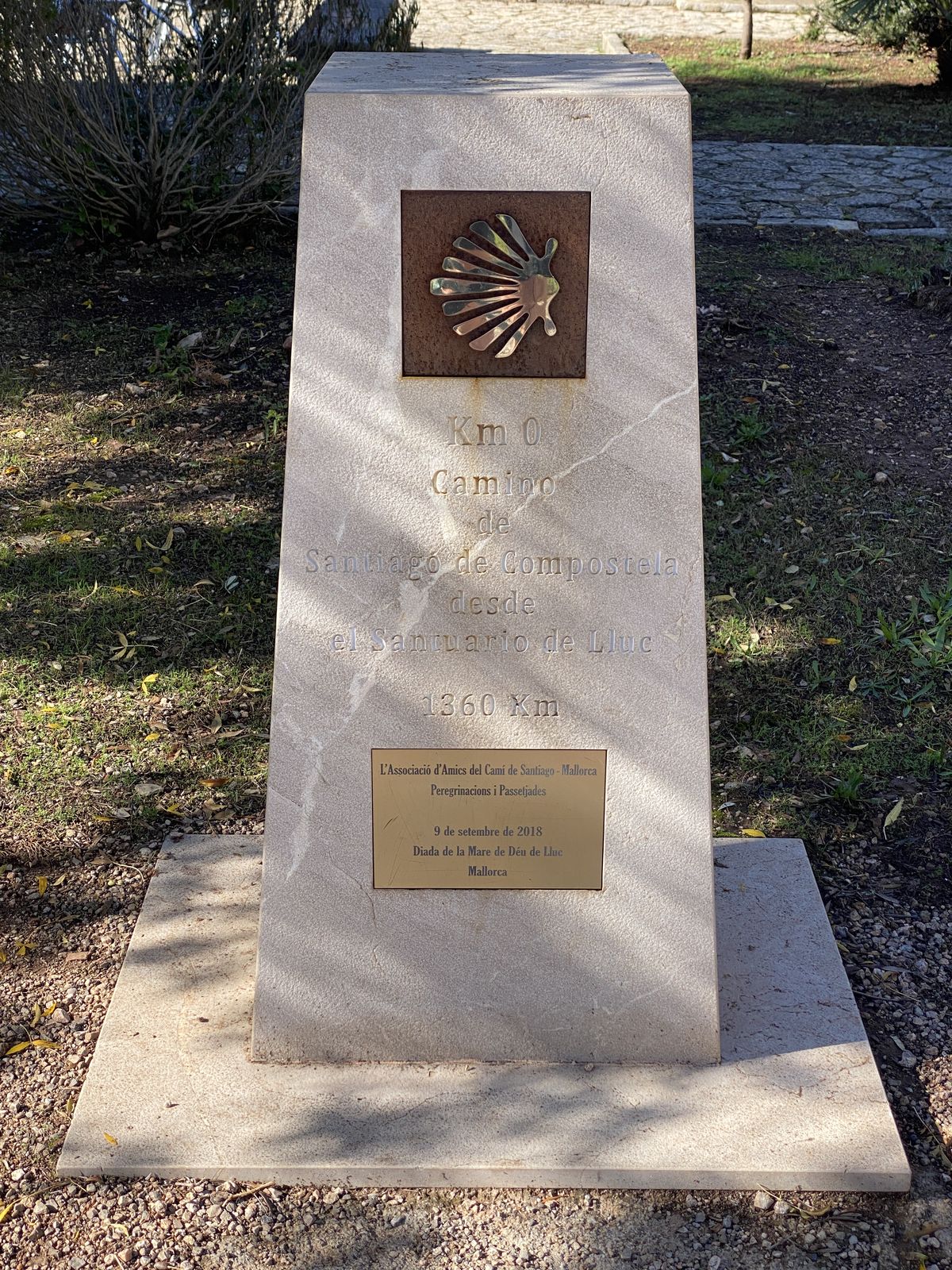
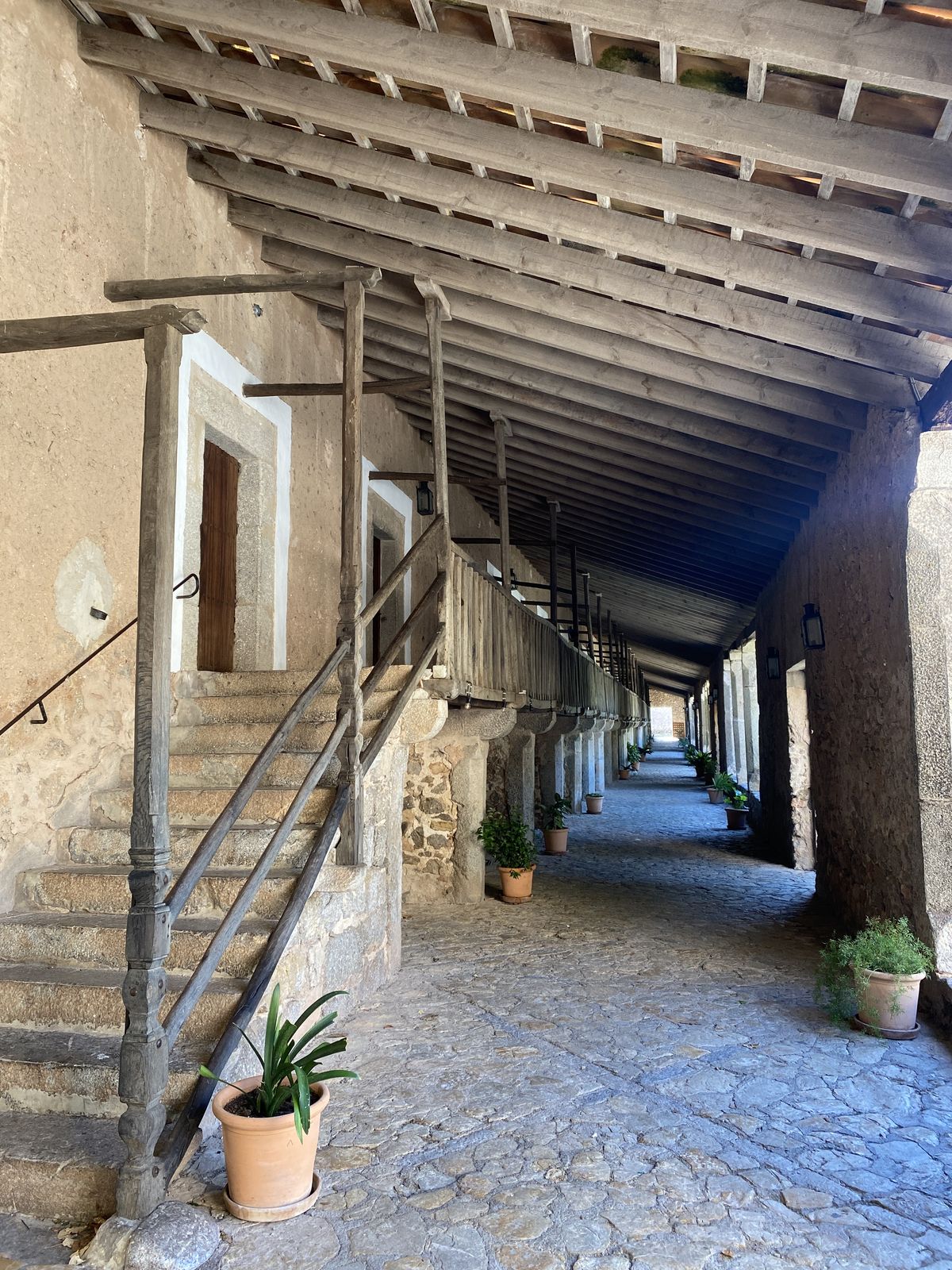
From Port de Pollença, you quickly leave the built-up area behind for the quiet climb towards Pollença. This historic village is certainly worth a visit. After that comes the longer ascent of the Coll de Femenia, a fine climb through forest, alternating with open sections and views of the surrounding mountains. This climb brings you to the most important monastery on the island: Lluc. It is also the starting point of one of the many Caminos de Santiago. On the central courtyard you’ll find Cafè Sa Plaça, making it an ideal stop — well worth cycling a few extra hundred metres to have a look around.
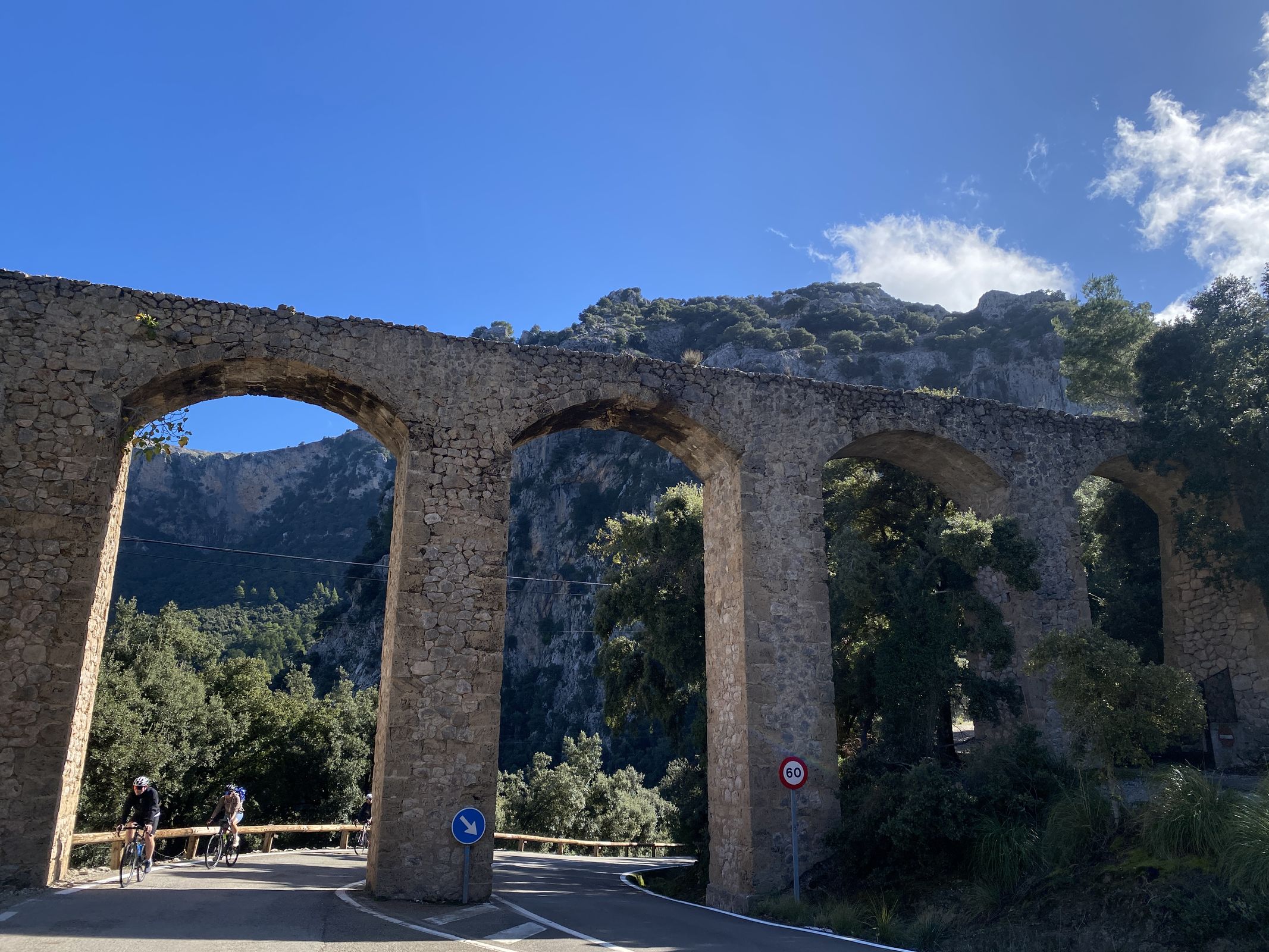
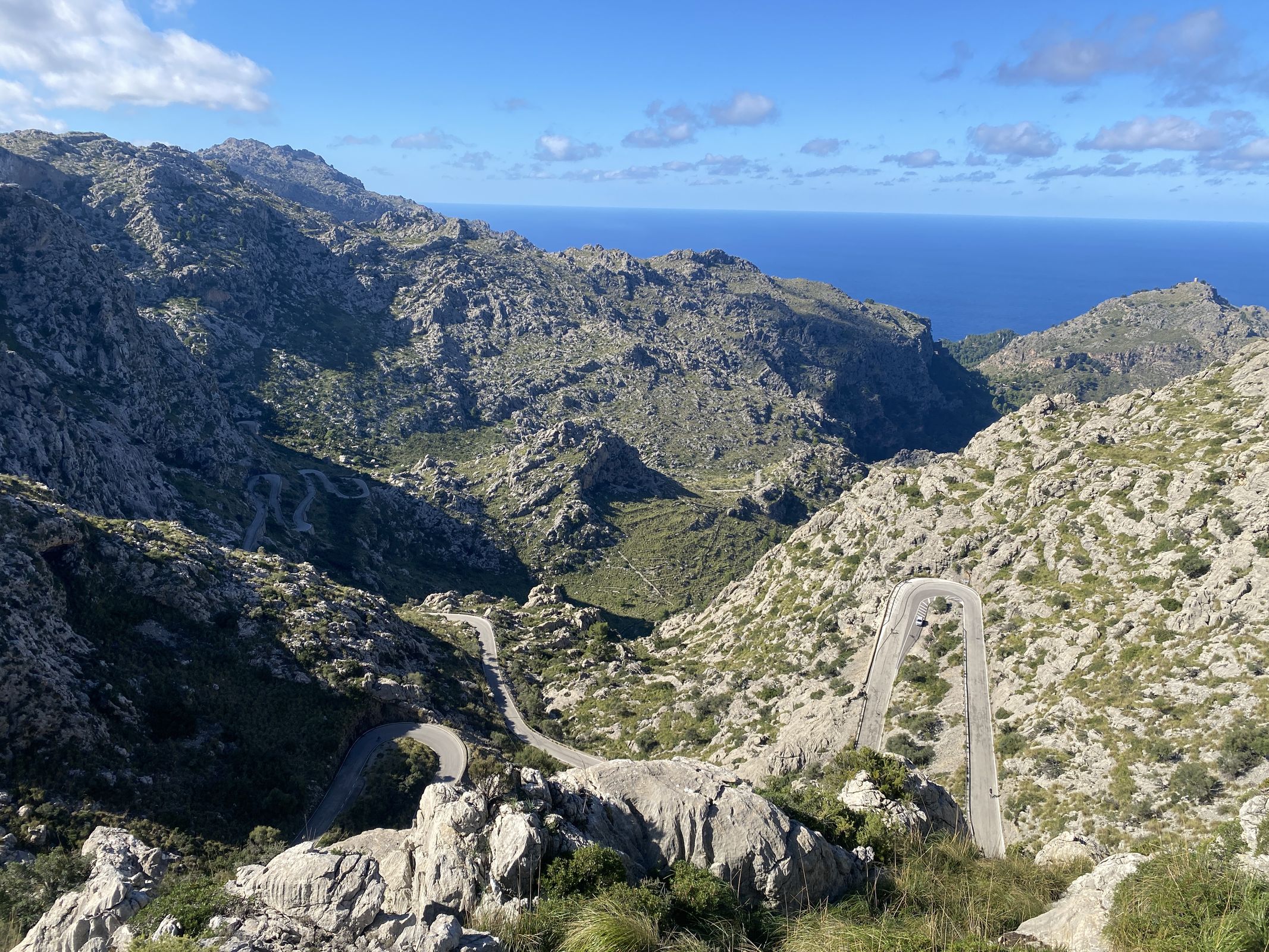
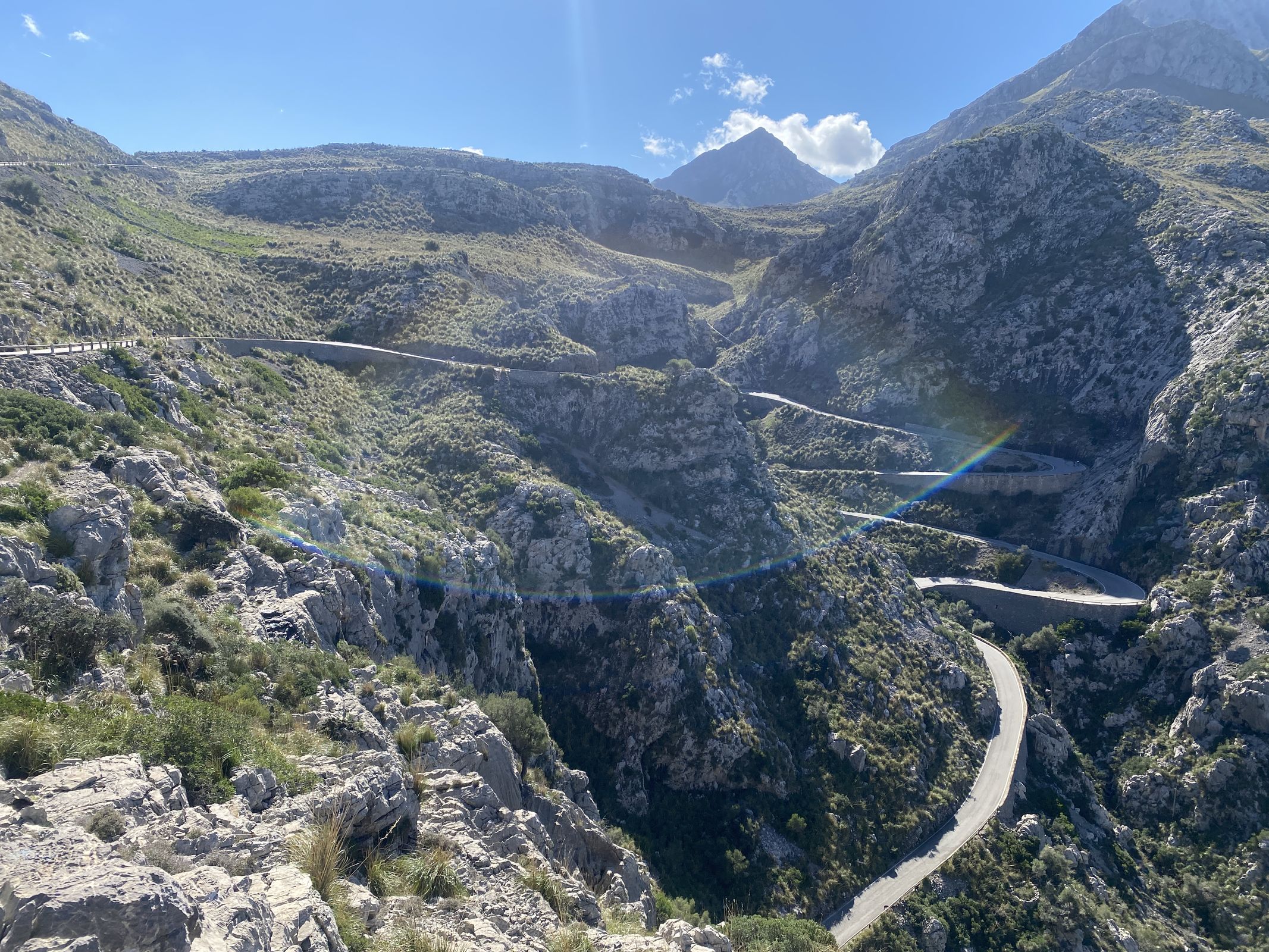
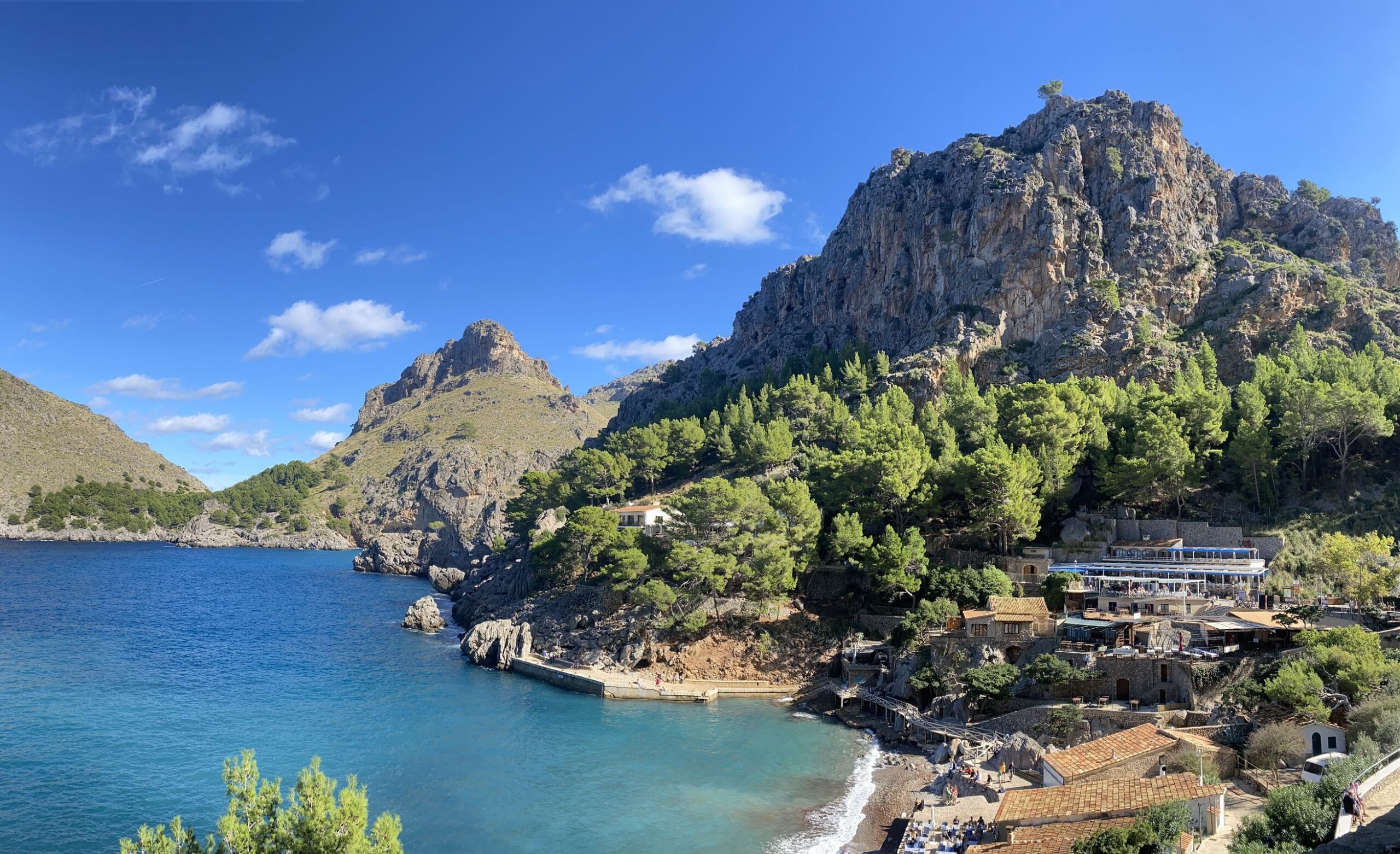
After that, I continued towards the start of the island’s most famous descent. Sa Calobra is a 10-kilometre descent and climb down to sea level, with 17 hairpin bends, overhanging rock faces, and a perfectly smooth road surface. It twists its way from an altitude of 700 metres all the way down to the small bay. Tip: fill your bottles at the top, as the restaurants and little shops down in the bay are quite expensive. You can do this at Bar Els Arcs, located near the aqueduct of Escorca.
The climb back up is, depending on your fitness, either pure enjoyment or a steady grind back to the top. Tip: if you’re staying in Port de Sóller, you can also take the ferry to Sa Calobra, ride only the climb, and then continue your route from there.
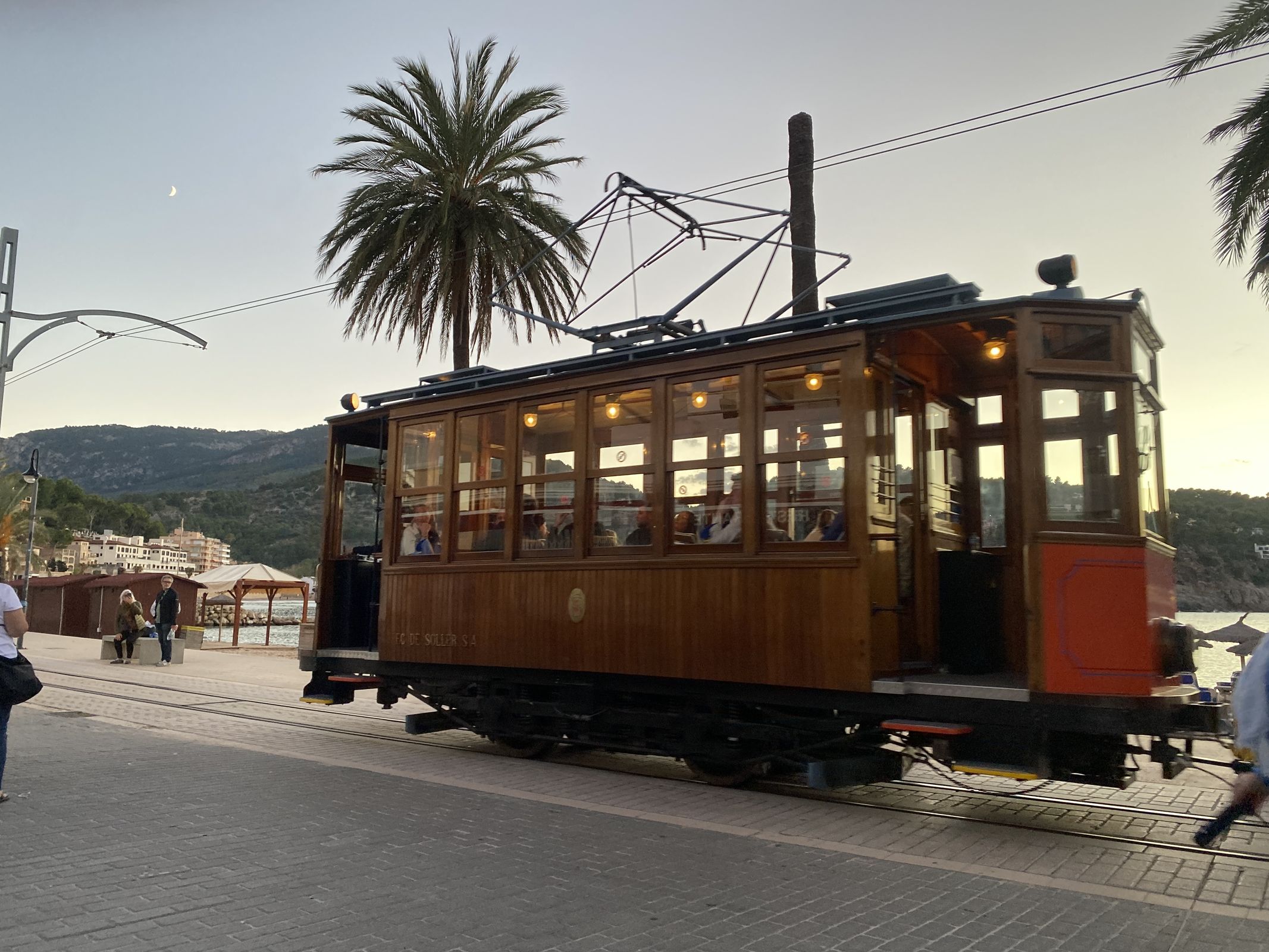
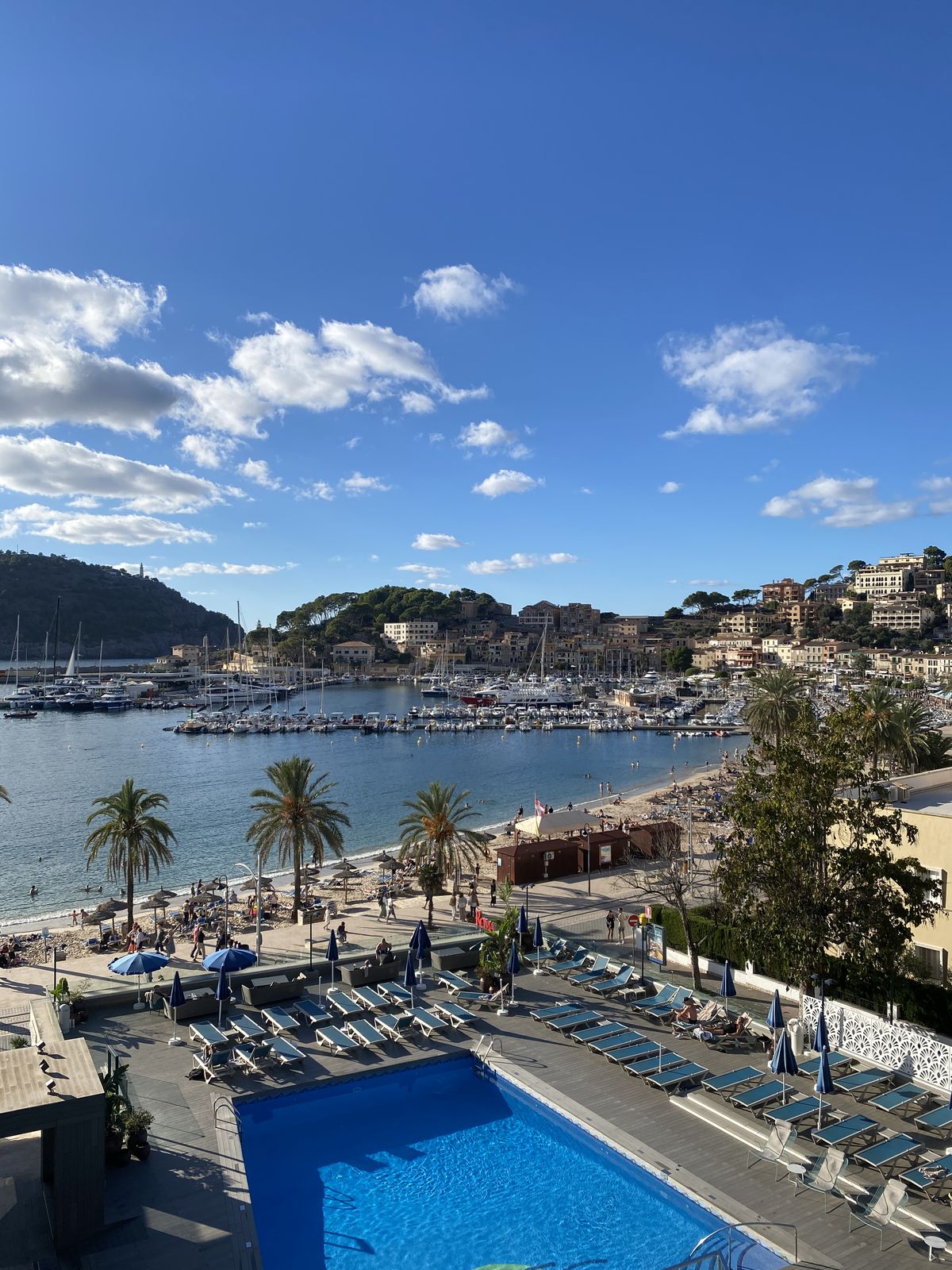
The day ended with the descent of the Puig Major towards Port de Sóller. With 840 metres of elevation loss over 14 kilometres, this is a beautiful stretch with views of Mallorca’s highest mountain, including the radar station and military base on the summit. Naturally, this is not only a descent but also one of the island’s finest climbs. Port de Sóller itself is a very pleasant bay, where the famous wooden tram still shuttles back and forth between the harbour and the village.
Highlights
- For the recreational cyclist: The village of Pollença, the climb of the Coll de Femenia, and the sense of calm at the monastery of Lluc.
- For the road cyclist: The ascent and descent of the legendary Sa Calobra and the Puig Major.
Day 5: From Port de Sóller to Palma de Mallorca
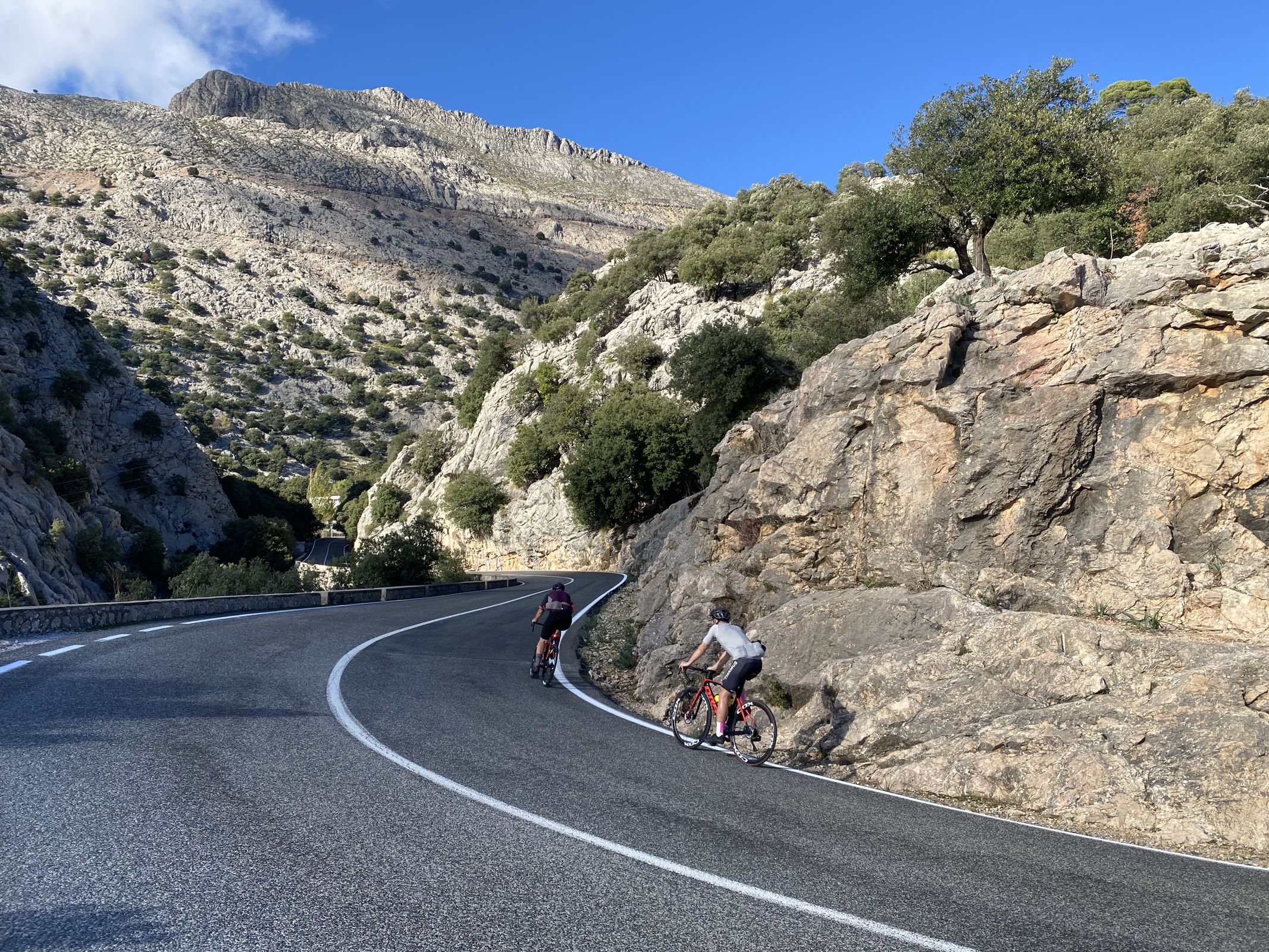
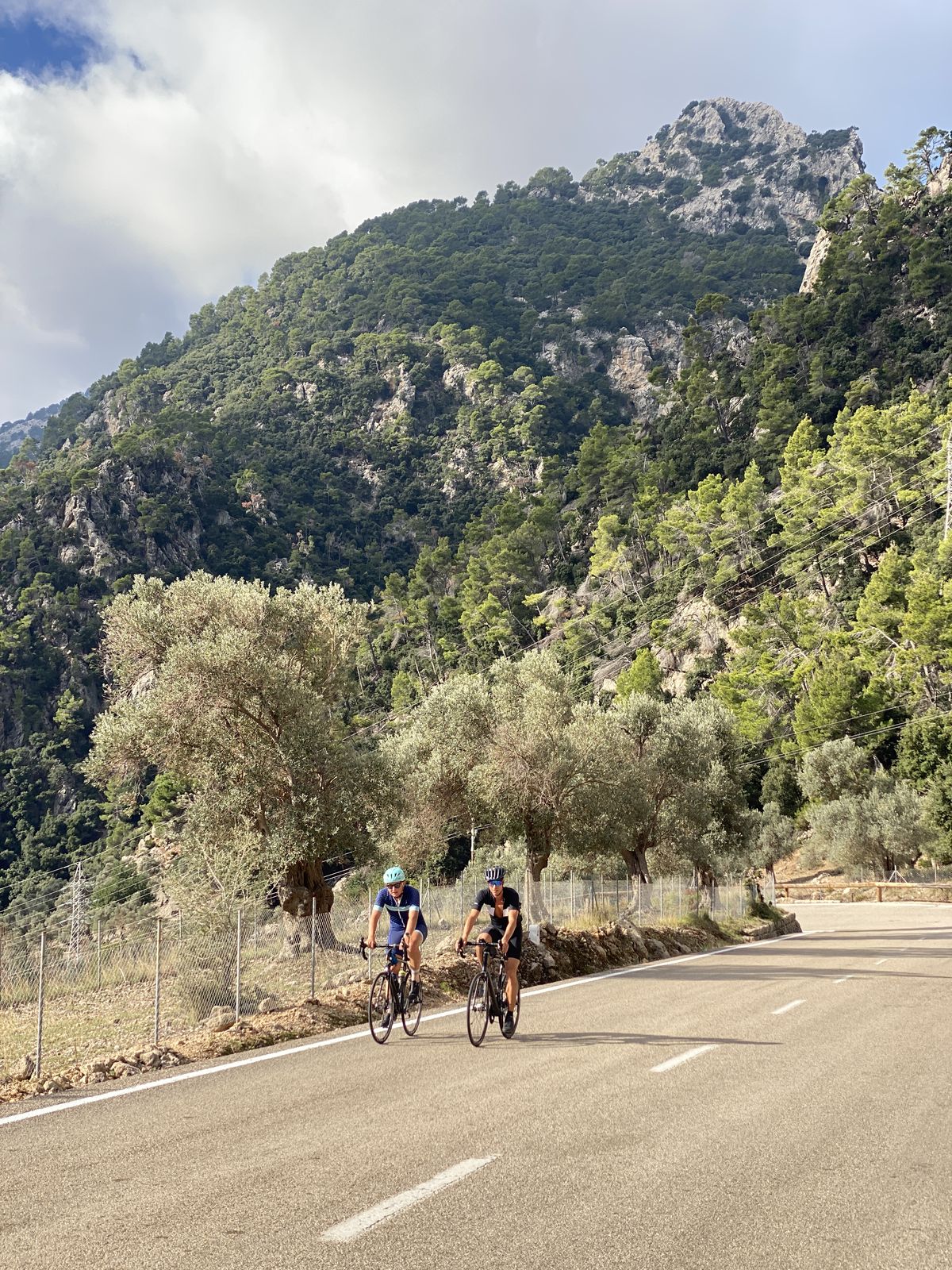
The final ride once again combined elements of both trips. Road cyclists often start the day with the climb of the Coll de Sóller. The first kilometres out of the harbour are a bit dull with traffic, but as soon as the through traffic disappears into the tunnel and you turn onto the narrow road, the real climb begins. In around 30 hairpin bends, you wind your way up through beautiful forest. Because I set off early and there was no traffic, I even spotted a few deer — I had the mountain to myself. This climb is also ideal on warm days, as it lies largely in the shade and you only meet the sun later in the morning.
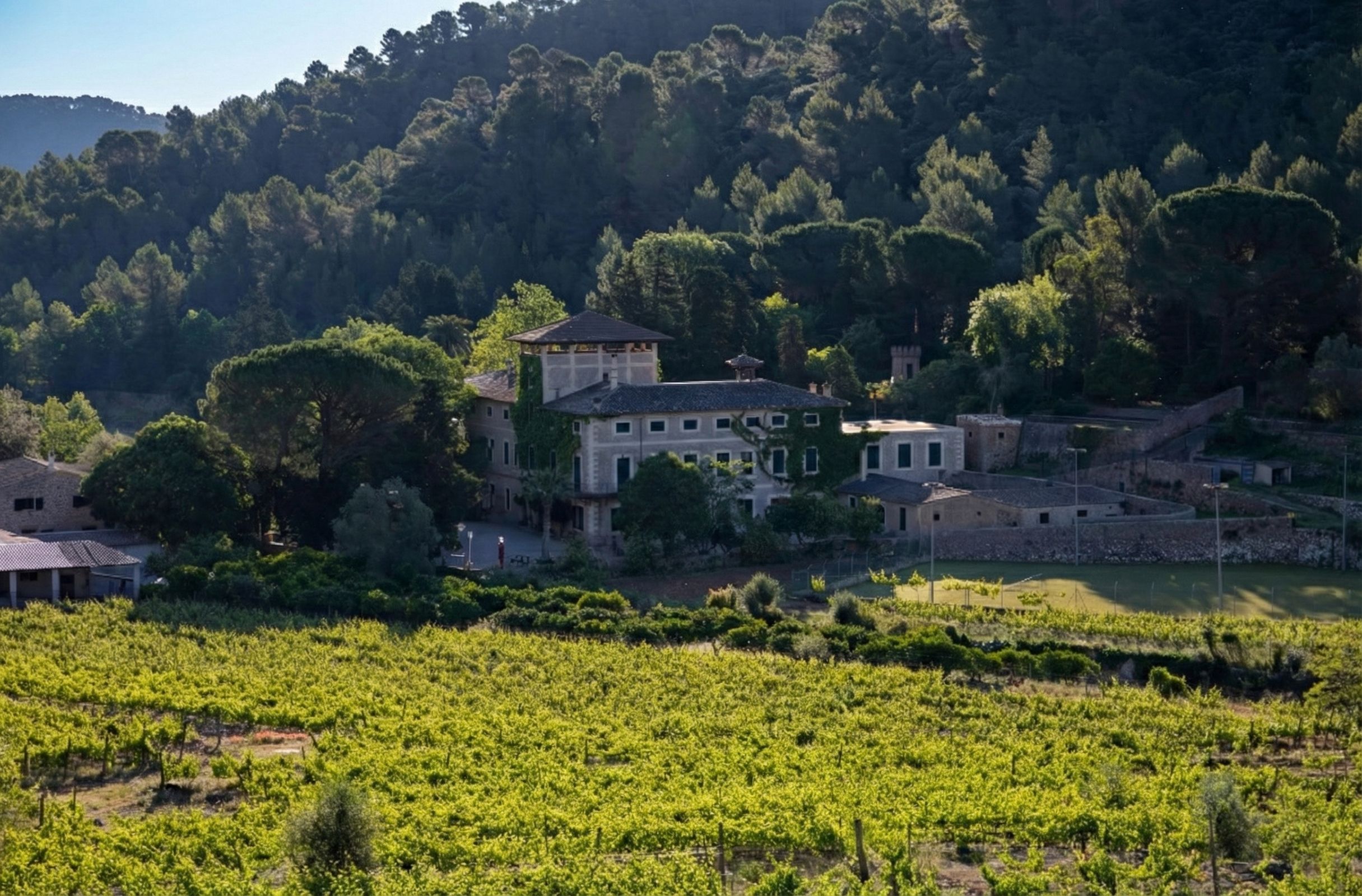
Once at the top, you can already see Palma de Mallorca in the distance. I opted for the longer variant, though. After passing the somewhat touristy Valldemossa, the route follows a beautiful back road past the small vineyard of Bodega Son Vich de Superna. From Valldemossa all the way to Es Capdellà, the route is wonderfully quiet to cycle. The final kilometres into Palma de Mallorca are reached via a low-traffic approach.
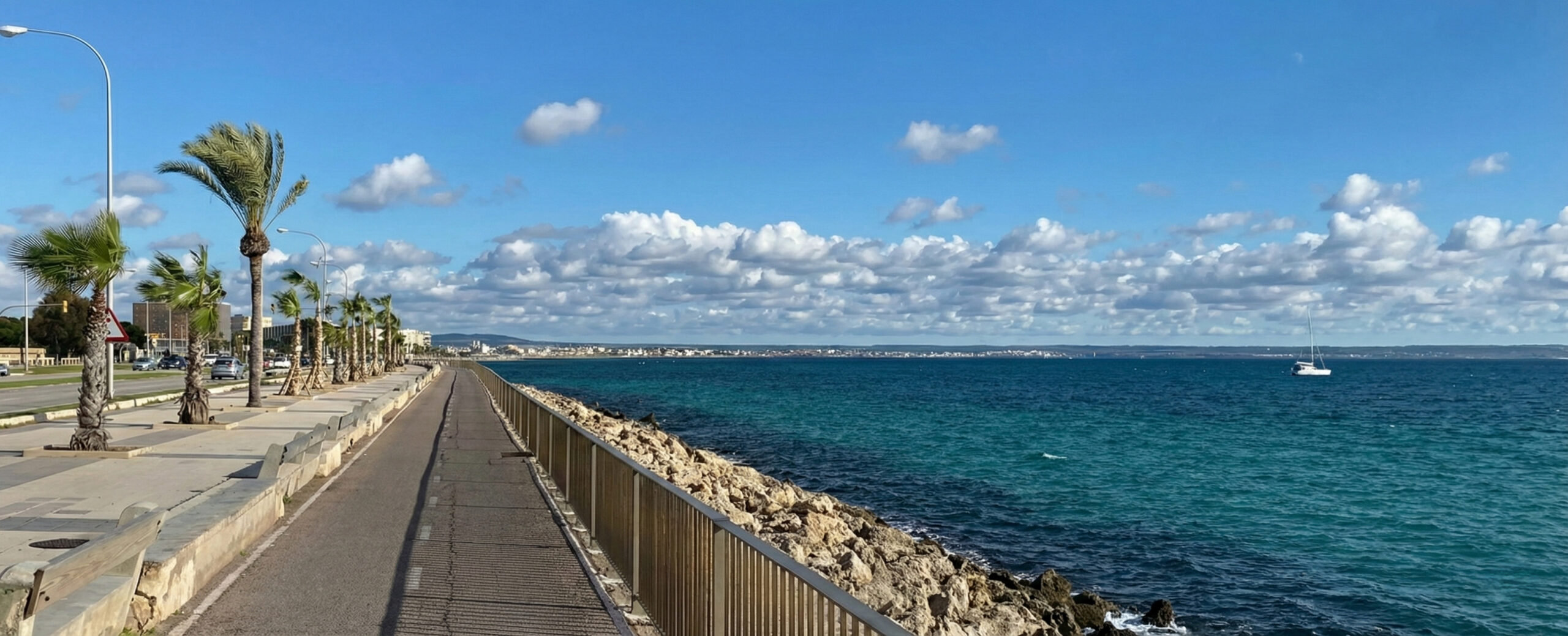
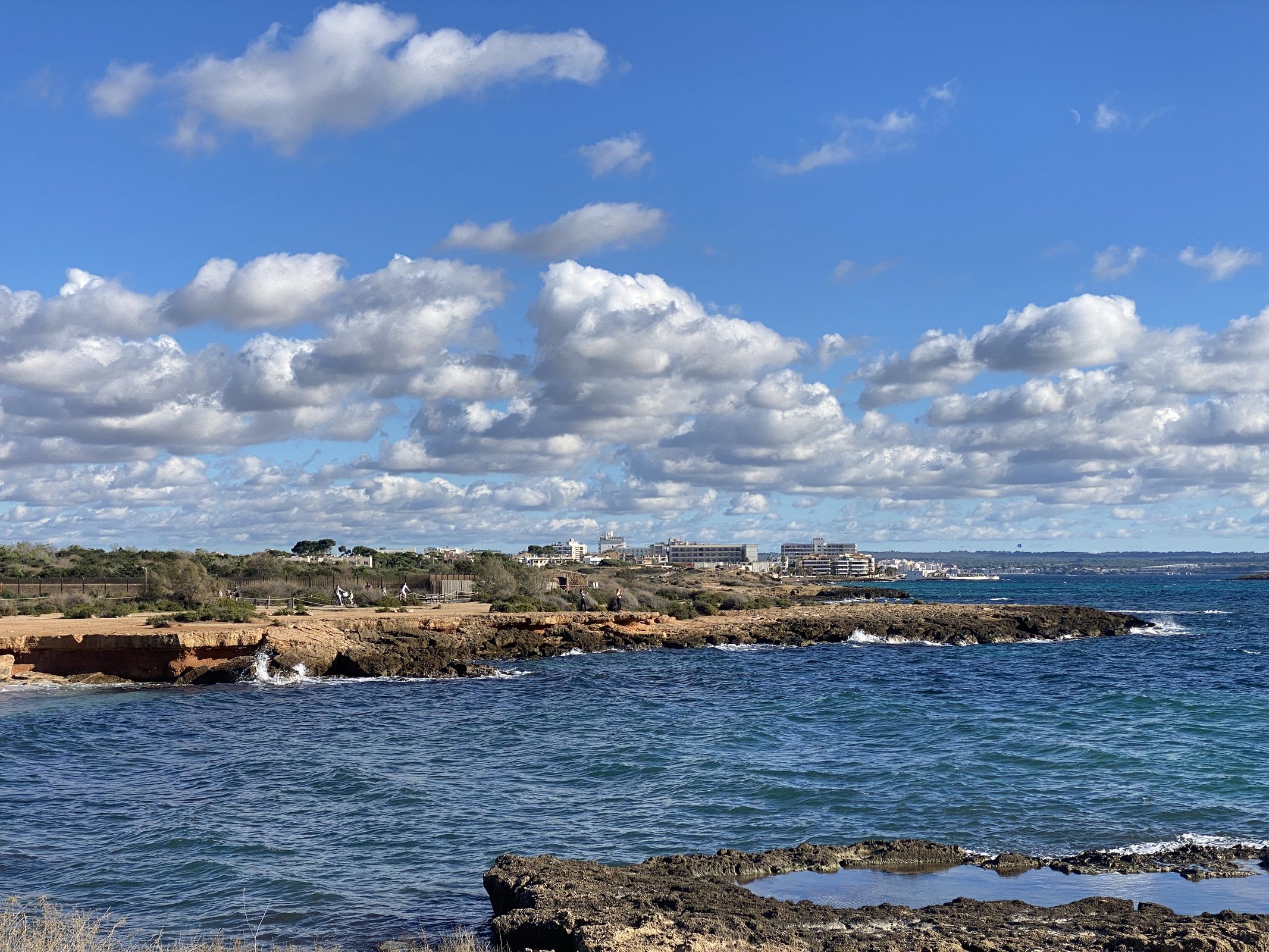
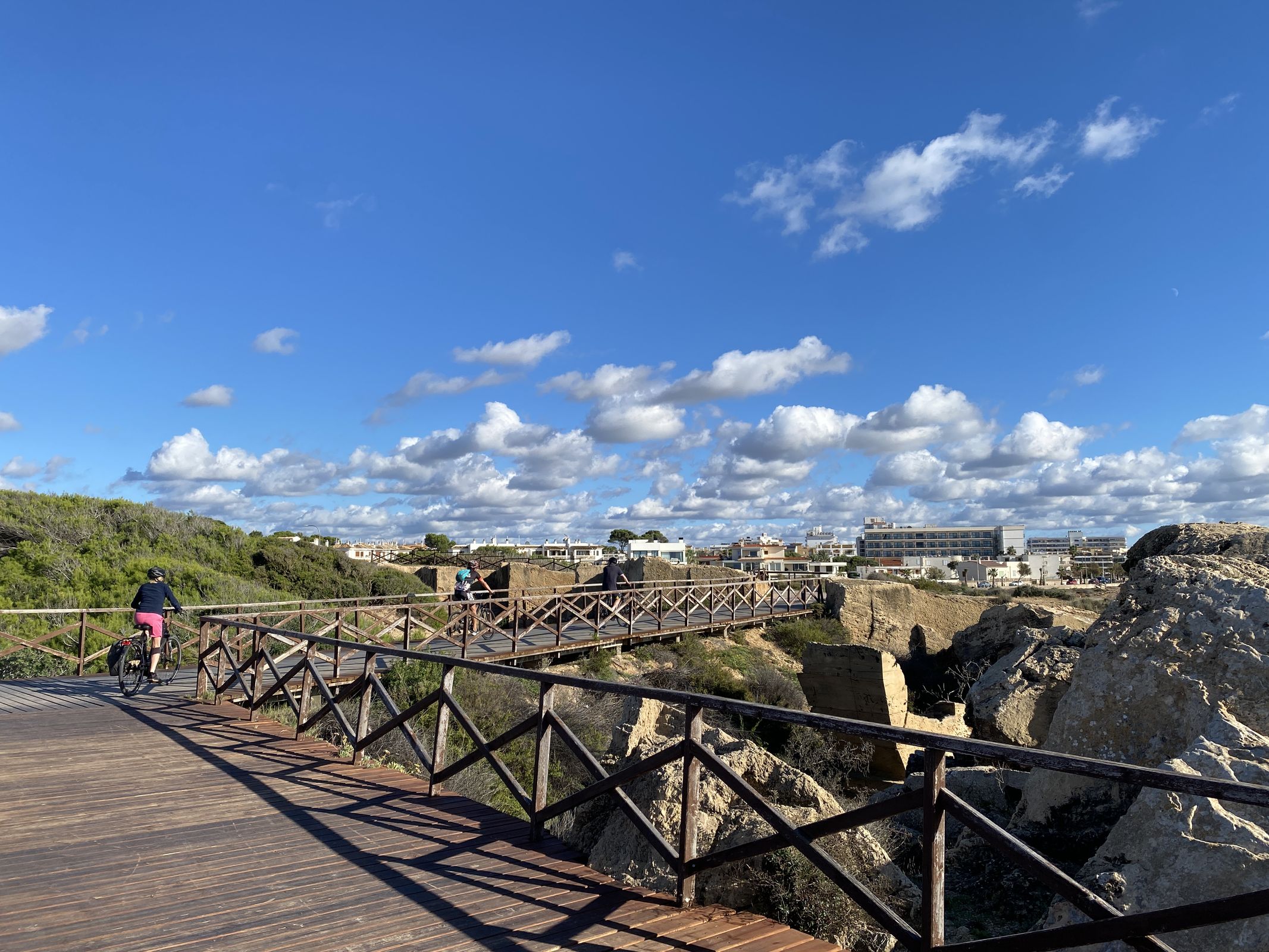
From there, a coastal cycle path runs almost entirely along the rocky shoreline back to Ca’n Pastilla. I expected this to be a functional, perhaps even dull stretch, but nothing could be further from the truth. It turns out to be a wonderful finale: you ride past the famous cathedral (Basílica de Santa María), along the harbour with its impressive yachts, colourful houses, and striking rock formations. A perfect ending to my personal introduction to Mallorca.
Highlights
- For the recreational cyclist: Palma de Mallorca and the beautiful coastal cycle path.
- For the road cyclist: The hairpin bends of the Coll de Sóller and the quiet roads through the foothills of the mountains.
Comfort & Service on our Mallorca cycling holidays
Mallorca is the ideal destination for a fully taken-care-of cycling holiday. With Fietsen in Spanje, almost everything is included — with the exception of lunch and personal expenses. You are picked up at the airport, the bikes are ready for you on arrival, and your luggage is transported from hotel to hotel. In the mornings and evenings, you can enjoy generous buffet breakfasts and dinners in our carefully selected four-star hotels.
Our hotels on Mallorca
- Ca’n Pastilla: Hotel El Cid (4*)
- Porto Cristo: Hotel Felip (4*)
- Port de Pollença: Hotel Uyal or Villaconcha (4*)
- Sineu: Hotel Can Joan Capó (4*) or Can Serrete (3*)
- Port de Sóller: Hotel Eden (4*)
Conclusion
Mallorca has exceeded my expectations. Whether you come for a sporting challenge or to enjoy the island’s interior at a relaxed pace, Mallorca has something to offer everyone. I’m happy to advise you personally in choosing the right trip for your next journey to this cycling paradise.